

At PowerPlus Energy, fire safety is a fundamental consideration in how we design and manufacture battery energy storage systems. As energy storage becomes increasingly important across residential, commercial and industrial applications, understanding how batteries are engineered, tested and managed for safety matters to installers, businesses and end users alike.
Battery safety requires more than selecting a suitable cell chemistry. It involves the way individual cells are managed, how heat and potential faults are addressed, how a system responds under abnormal conditions, and how the complete product is designed and tested.
As industry expectations evolve, PowerPlus Energy continues to develop products with established safety requirements and emerging Australian guidance in mind. Our upcoming LiFe4851 battery is the next step in this approach.
Introducing the LiFe4851: Designed for Battery Fire Safety
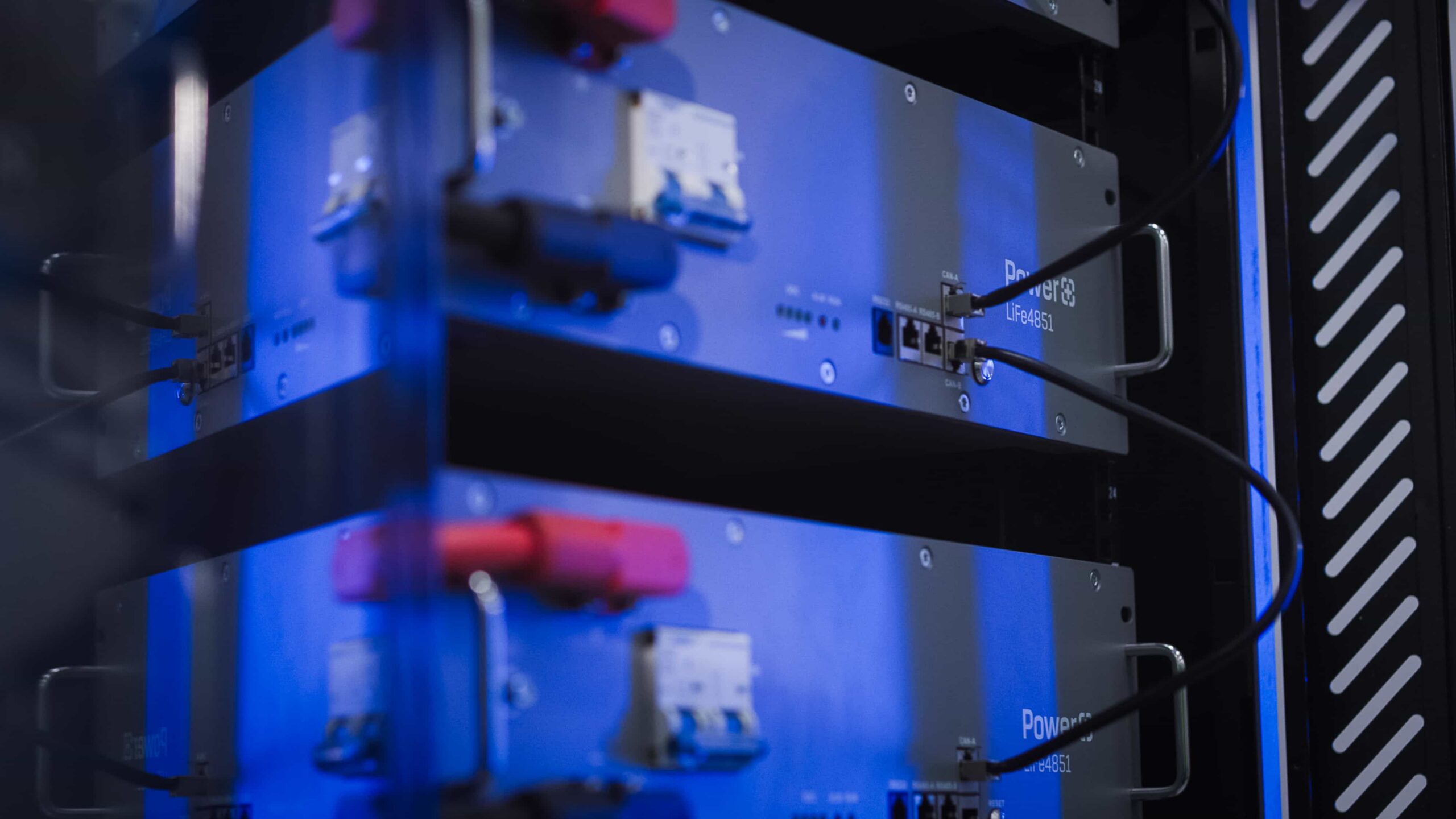
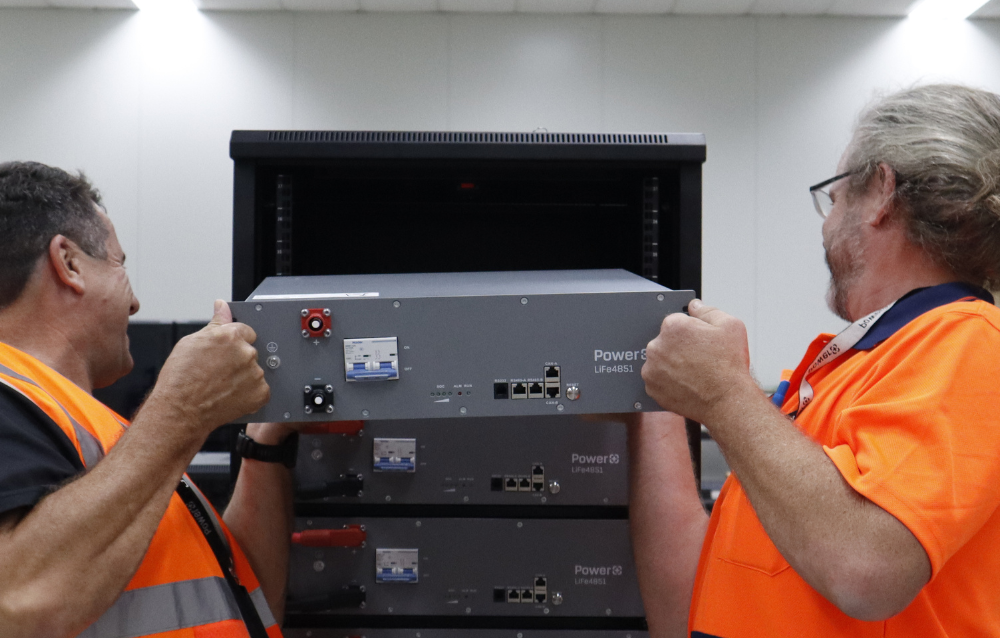
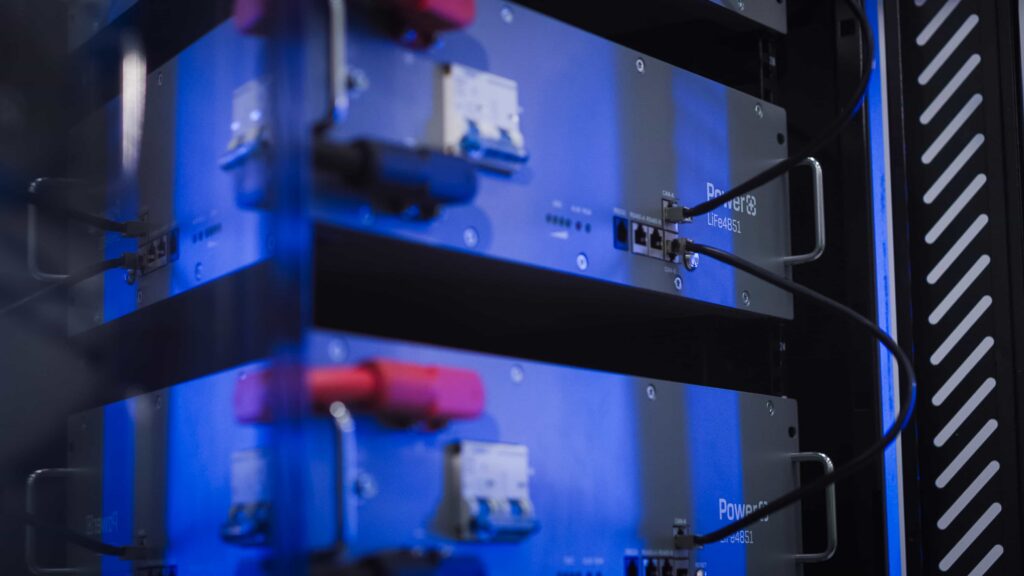
PowerPlus Energy is preparing to launch the LiFe4851, a next-generation lithium iron phosphate (LFP) battery designed with safety, compliance considerations and long-term reliability in mind.
The LiFe4851 has been designed to align with TS 5398, an Australian Technical Specification addressing the safety of pre-assembled battery energy storage systems (BESS). It provides guidance relevant to areas such as enclosure design, thermal management, system shutdown behaviour, documentation and installation.
Considering these requirements from the design stage allows safety considerations to inform product development rather than being treated as a final compliance check.
The LiFe4851 has also successfully undergone UL 9540A testing. UL 9540A is a recognised test method used to evaluate thermal runaway and the potential for fire propagation in battery energy storage systems. The specific scope and results of testing are important when assessing what those results demonstrate about a product’s performance under fault conditions.
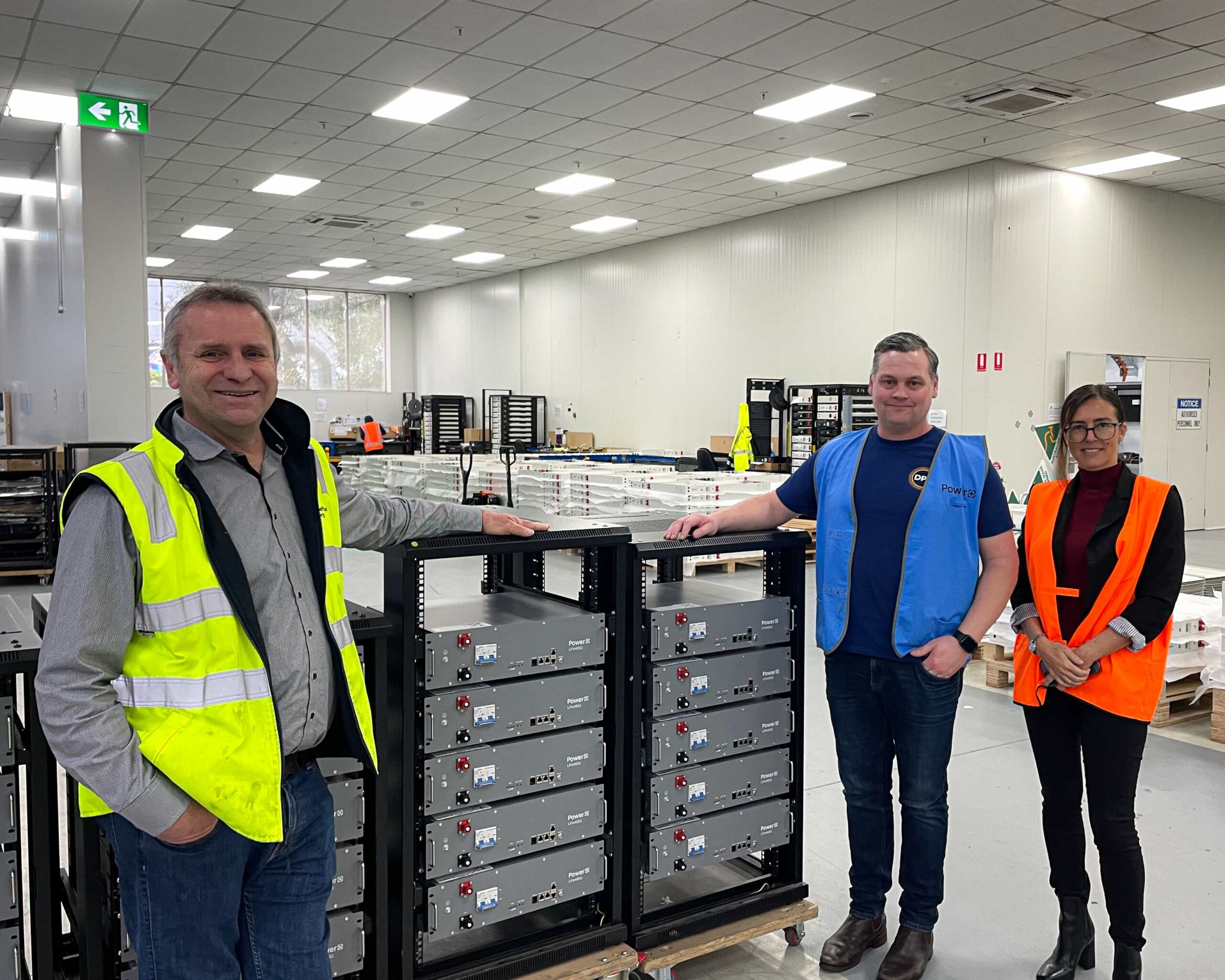
The LiFe4851 represents a significant design development for PowerPlus Energy, as it will be our first low-voltage product to use prismatic cells rather than cylindrical cells.
As Executive Chairman Ben Spincer explains:
“PPE has historically only used cylinder cells in our batteries given the mechanical strength of a cylinder and the natural air gaps that help dissipate heat and propagation. The LiFe4851 will be our first low-voltage product using prismatic cells and we have only made this move because of the fire-safe design.”
This change reflects the importance of considering the complete battery design, including cell selection, layout and the measures used to manage potential failure.
What Is UL 9540A Battery Fire Safety Testing?
UL 9540A is a test method developed to evaluate how battery energy storage systems behave when thermal runaway occurs and whether the resulting heat or fire can propagate to neighbouring cells, modules or equipment.
Thermal runaway is an uncontrolled rise in a battery cell’s temperature that can lead to the release of heat and gases and, in some circumstances, fire. Understanding how a battery responds to this type of event is an important part of evaluating energy storage safety.
Depending on the applicable test programme, UL 9540A assessments can examine behaviour at different levels:
Cell level: Examines the behaviour of an individual battery cell when thermal runaway is initiated.
Module level: Evaluates how a failure may affect neighbouring cells within a module.
Unit level: Assesses the behaviour of the battery unit and the potential for thermal runaway or fire to spread beyond it.
Installation level: Where applicable, evaluates system behaviour in a defined installation configuration.
The levels performed and the conclusions that can be drawn depend on the specific testing undertaken and its results.
UL 9540A testing does not mean that a battery cannot experience thermal runaway or that fire is impossible under all conditions. Instead, it provides evidence about how the tested battery behaves under defined conditions, helping manufacturers, installers and other stakeholders assess potential hazards and inform safety decisions.
For PowerPlus Energy, this testing forms part of a broader approach to battery energy storage fire safety, supported by considered product design and appropriate risk management.
TS 5398 and Australian Battery Safety Requirements
Australian battery installations are subject to established electrical and installation requirements, including AS/NZS 5139 and AS/NZS 3000 where applicable. TS 5398 adds to the technical guidance available for assessing the safety of pre-assembled battery energy storage systems.
Relevant safety considerations include:
Enclosure design: The construction and integrity of the battery enclosure.
Thermal and fire mitigation: Design measures intended to manage heat and reduce the potential for fire propagation.
Shutdown behaviour: How the system responds to defined fault conditions and shutdown requirements.
Installation and documentation: Information, labelling and instructions that support appropriate system integration and installation.
Validation and traceability: The evidence and documentation used to support safety-related design decisions.
By designing the LiFe4851 to align with TS 5398, PowerPlus Energy is taking emerging Australian battery safety guidance into account during product development.
This approach supports informed decision-making by installers and project stakeholders as requirements and industry expectations continue to evolve. Actual compliance obligations will depend on the applicable standards, regulations, product configuration and installation circumstances.
Why Battery Fire Safety Matters to End Users
For households and businesses, battery safety is about understanding how an energy storage system has been designed to manage foreseeable hazards, and what evidence is available to support those design decisions.
Several factors contribute to this assessment:
Cell chemistry: The LiFe4851 uses lithium iron phosphate (LFP) chemistry, which generally offers greater thermal stability than chemistries such as nickel manganese cobalt (NMC) and lithium cobalt oxide (LCO). However, all lithium-ion batteries require appropriate design, management and installation.
System design: Cell selection, battery layout, thermal management and protective measures all contribute to how a system responds to faults.
Testing evidence: UL 9540A testing provides information about thermal runaway behaviour and fire propagation under the conditions examined.
Installation and integration: Correct installation, suitable system configuration and compliance with applicable requirements remain essential to safe operation.
No single chemistry, test or design feature eliminates every battery safety risk. Confidence comes from considering how these elements work together and understanding the evidence supporting the complete system.
What Battery Safety Means for Installers
Installers need more than a battery specification sheet. They need clear technical documentation, an understanding of the product’s safety features and confidence that the system can be appropriately assessed for the intended application.
The LiFe4851’s development incorporates several considerations relevant to this process:
A design approach informed by TS 5398.
UL 9540A testing to provide evidence about thermal runaway and fire propagation under the conditions tested.
LFP chemistry, selected for its favourable thermal stability characteristics.
Product engineering that considers the relationship between cell design, battery construction and system-level safety.
These considerations can help installers and project stakeholders evaluate the battery as part of a broader installation. They do not replace the need to review applicable requirements, testing documentation, installation instructions and system compatibility for each project.
As safety expectations continue to develop, access to clear and accurate technical information is essential for making informed product and installation decisions.
Building Safer Energy Storage Through Engineering
The LiFe4851 is the next step in PowerPlus Energy’s ongoing approach to battery energy storage safety. By considering cell chemistry, product architecture, testing evidence and emerging Australian technical guidance, we aim to make safety an integral part of product development.
For us, this means being transparent about how our products are designed, what testing has been undertaken and what that testing demonstrates.
As energy storage continues to develop, PowerPlus Energy remains focused on engineering reliable battery solutions and supporting installers and customers with the technical information they need to make informed decisions. Contact PowerPlus Energy if you are interested in integrating LiFe4851 into your upcoming project.