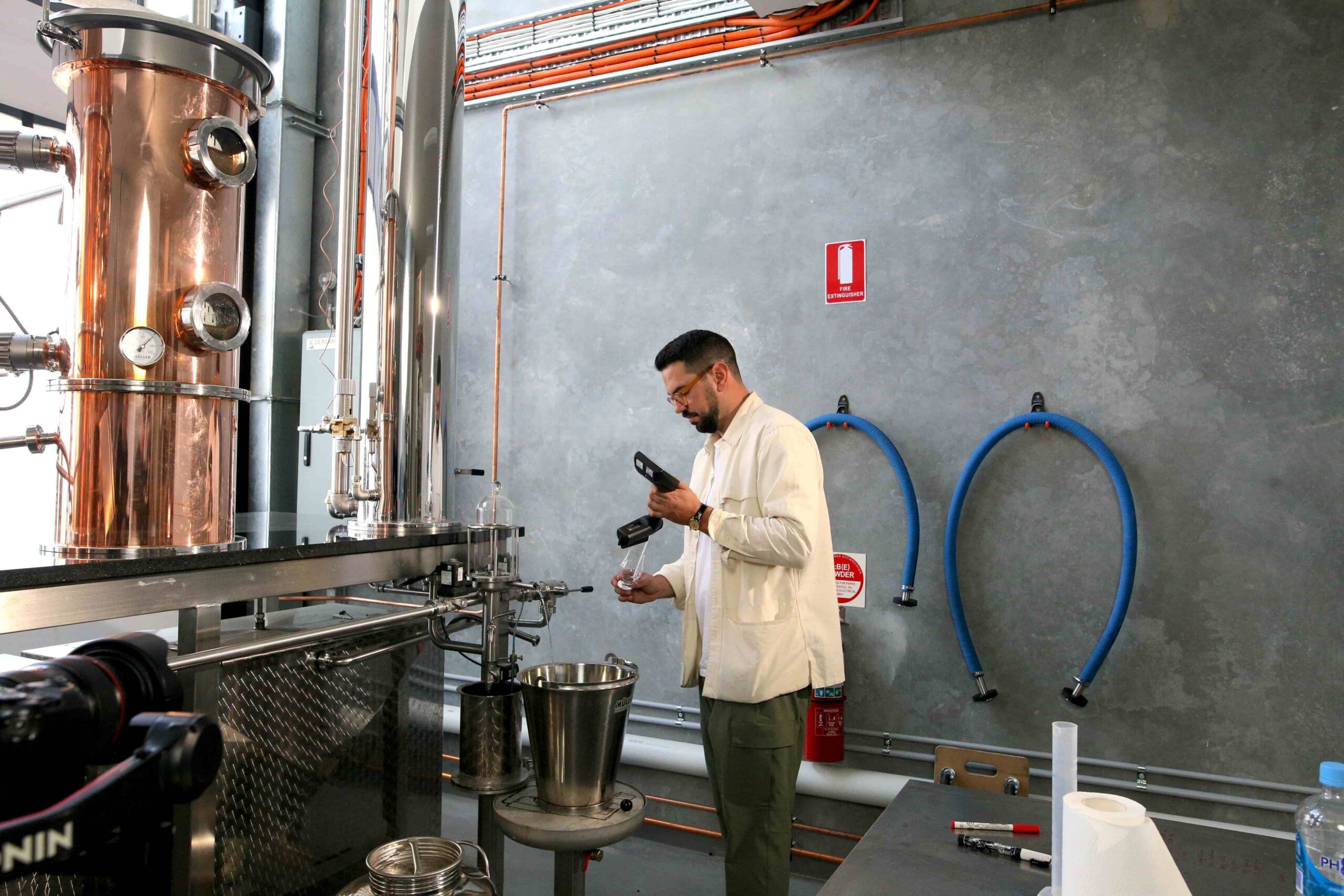


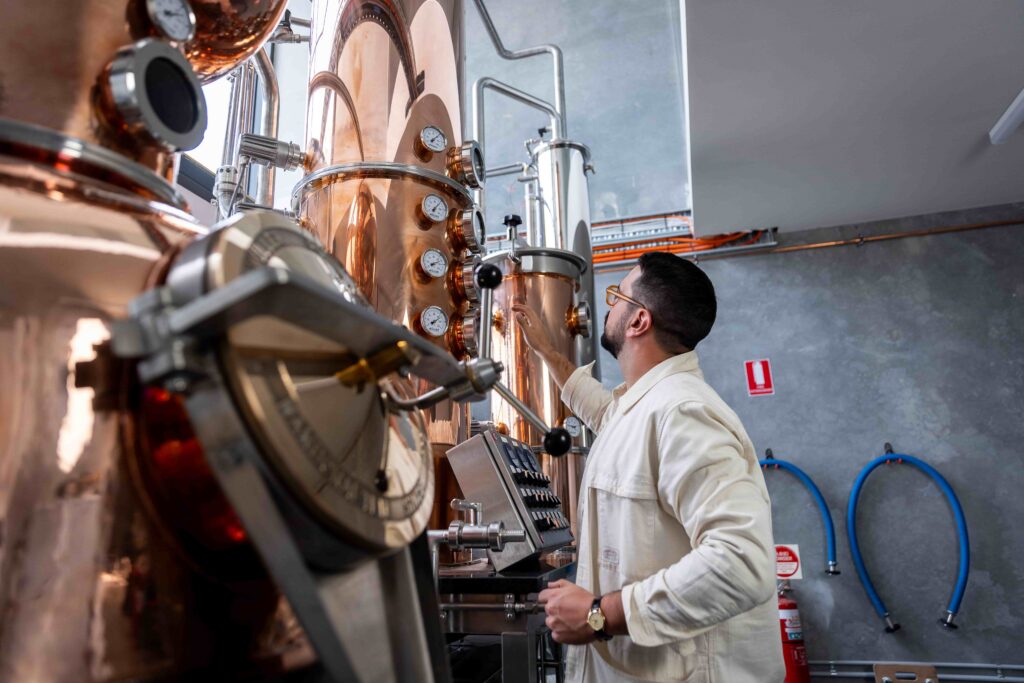
For Still Life Spirits founder Andrew, building a distillery was about bringing a family tradition into a modern Australian business. But before production could begin, an unexpected obstacle threatened to hold things up: the Melbourne factory did not have enough available grid power to run its specialist still.
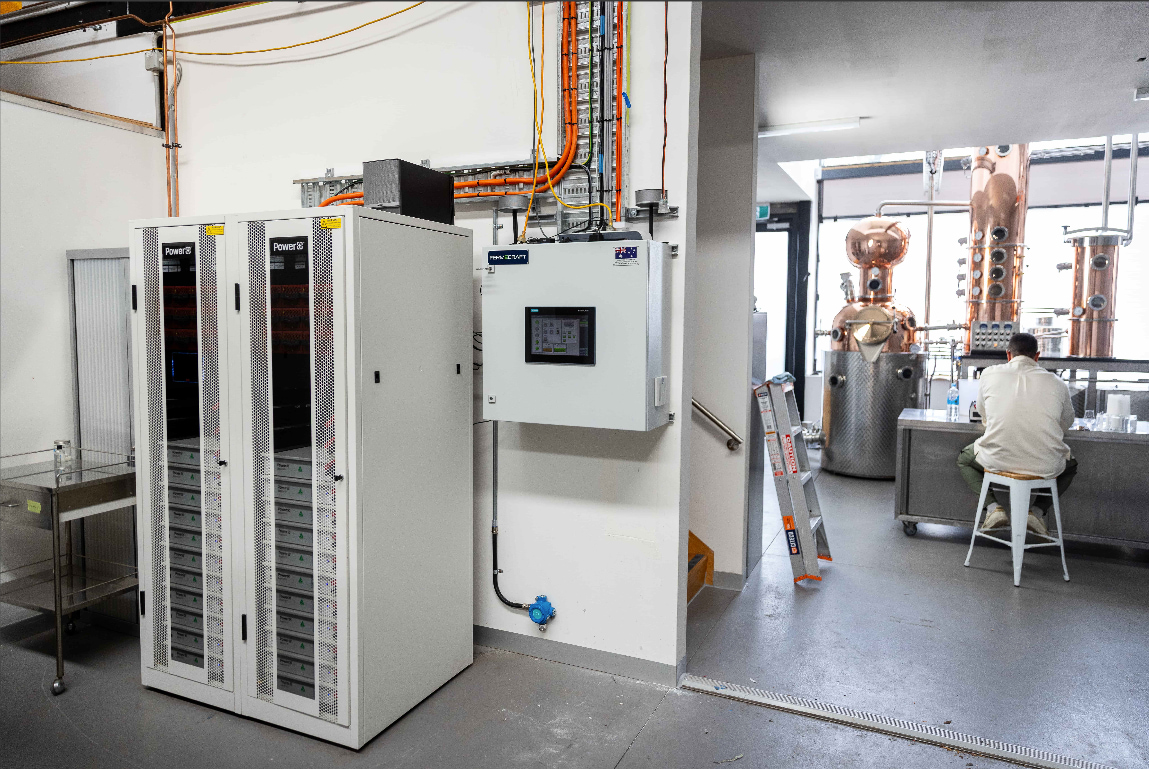
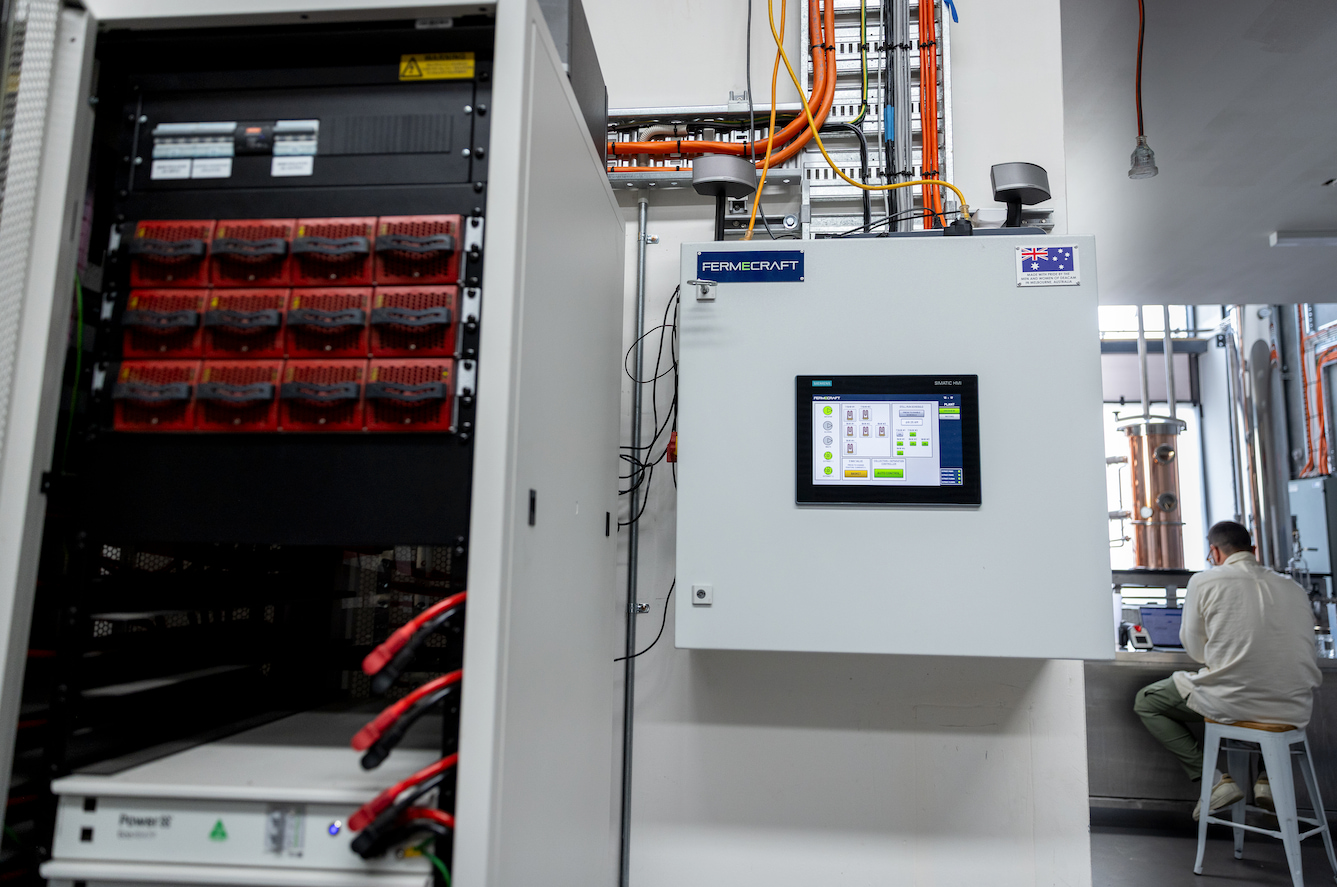
After exploring costly infrastructure upgrades and other alternatives, Andrew found a solution with Deacam Engineering; a distillery battery storage system. A PowerPlus Energy Escape20 Battery Energy Storage Solution (BESS) would supplement the site’s existing electricity supply, helping Still Life Spirits operate its still without a major external grid upgrade.
A Family Tradition, a New Beginning
Andrew’s grandparents came from the Balkans, where making fruit spirits was a long-standing family tradition. That heritage helped inspire Andrew and his dad to explore how they could bring the craft into a commercial setting of their own.
Their vision was to establish a flexible Melbourne distillery capable of producing a range of spirits, from gin and vodka to liqueurs and rum, with fruit brandy remaining at the heart of the business.
“We wanted to set ourselves up to be able to make anything, really,” Andrew says.
After travelling through Europe and speaking with distillers and manufacturers, they found a specialist manufacturer in Germany that could build the still they needed. It was a significant step towards turning their plans into a working business.
However, sourcing the right equipment was only part of the challenge. Before the still could begin operating, they needed to find a way to power it.
The Challenge: When the Grid Can’t Keep Up
Increasing the site’s grid connection initially appeared to be the obvious solution. But as Andrew and his team investigated further, what seemed like a straightforward upgrade became considerably more complicated.
The site’s existing supply had limitations that would require major work to the surrounding electricity infrastructure, including transformer upgrades and new cabling. The potential cost and complexity made the original approach increasingly difficult to justify.
Other options brought their own compromises. Gas was not a straightforward alternative, while diesel generation introduced additional considerations around fuel, noise and exhaust fumes.
“We explored a lot of different solutions for how we were going to power and heat the still,” Andrew says. “Everything seemed either too costly or just a bit too cumbersome.”
For a young business that had already committed to a specialist still and a new facility, finding a practical, financially viable solution was essential.
The Solution: Distillery Battery Storage
The turning point came when Andrew met Warren from Deacam Engineering at a distilling conference.
Deacam had experience using battery storage to help businesses work within the limitations of their existing electricity supply. Rather than pursuing a major external grid upgrade, Warren proposed installing a PowerPlus Energy Escape20 alongside the site’s existing connection.
“When Warren proposed the idea for energy storage, it just made sense,” Andrew says.
The approach suited the distillery’s operating schedule. The still needed additional power during production, but that demand varied throughout the day. The system could charge when demand was lower, then supply additional power alongside the grid when the still was running.
“We’re charging up when they don’t need the power and we’re delivering when they need it,” Warren explains.
For Andrew, the appeal was straightforward: the solution addressed the immediate power constraint while allowing the business to remain at its existing site.
Making the Investment Work for the Business
Although the distillery battery storage system offered a practical way forward, it represented a significant investment for a young business. Access to a government grant helped cover a substantial portion of the system’s cost, making the project more financially viable.
There was another consideration, too. A major upgrade to the property’s external electricity infrastructure would be tied to the site, whereas the battery system could potentially move with the business if it relocated, subject to assessment and installation requirements at a new location.
That flexibility mattered for a growing distillery still establishing its place in the market. Rather than committing to substantial infrastructure works that could be difficult to take elsewhere, Andrew could invest in a solution that better suited the business’s immediate needs and future plans.
With the PowerPlus Energy system installed, the specialist still could finally be brought online.
Creating Room for What Comes Next
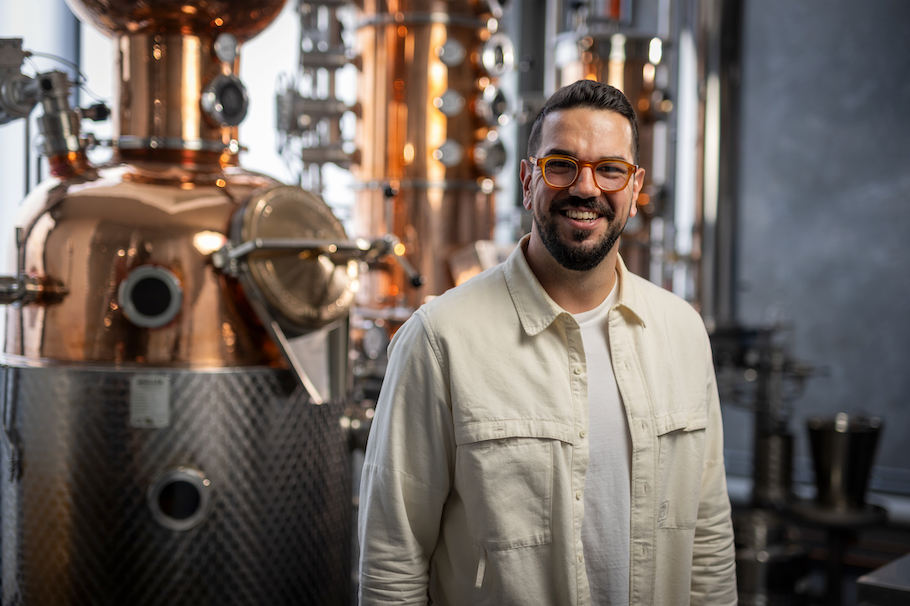
With the power constraint addressed, Andrew can focus on developing the distillery and the products he and his dad set out to create.
“The battery has just opened up a whole world of possibilities for us,” he says.
The flexible production setup creates opportunities to increase production throughput, experiment with different spirits and potentially manufacture for other businesses. Longer term, Andrew also sees opportunities to explore export markets.
Solar is another possibility under consideration as the business looks at how it could further develop its energy supply.
“We’ve started looking into solar and seeing how we can potentially be off-grid in that way,” Andrew says.
For now, Andrew’s attention remains on fruit brandy and the craft that first inspired the business. Different fruits, growing regions, fermentation techniques and distillation choices all influence the final product, giving him plenty of room to experiment.
“There’s something so raw about getting fruit from the earth and fermenting it,” he says.
It’s a connection to the ingredients that brings the story full circle, linking a family tradition that began generations ago in the Balkans with a modern Australian distillery.
By finding a way to operate its still within the limitations of the existing grid connection, Still Life Spirits has been able to move forward with its plans. The battery has helped resolve a practical barrier to establishing the business, giving Andrew and his dad more flexibility to develop their distillery and explore what comes next.