

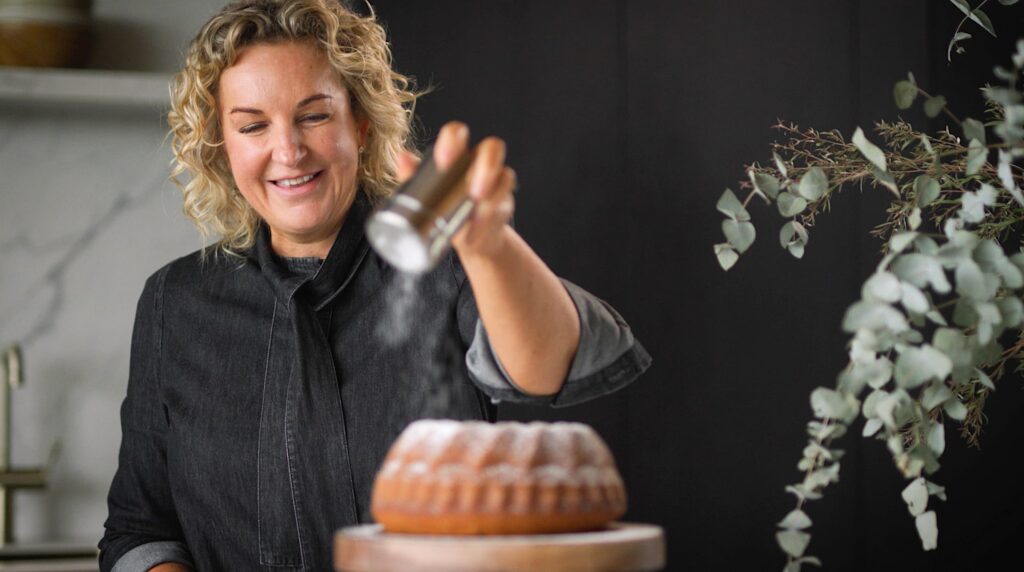
A Home Built Around What Matters
For Kirsten Tibballs, the decision to live off-grid was never simply about having solar panels and batteries. It was part of a much bigger vision for how she wanted to live.
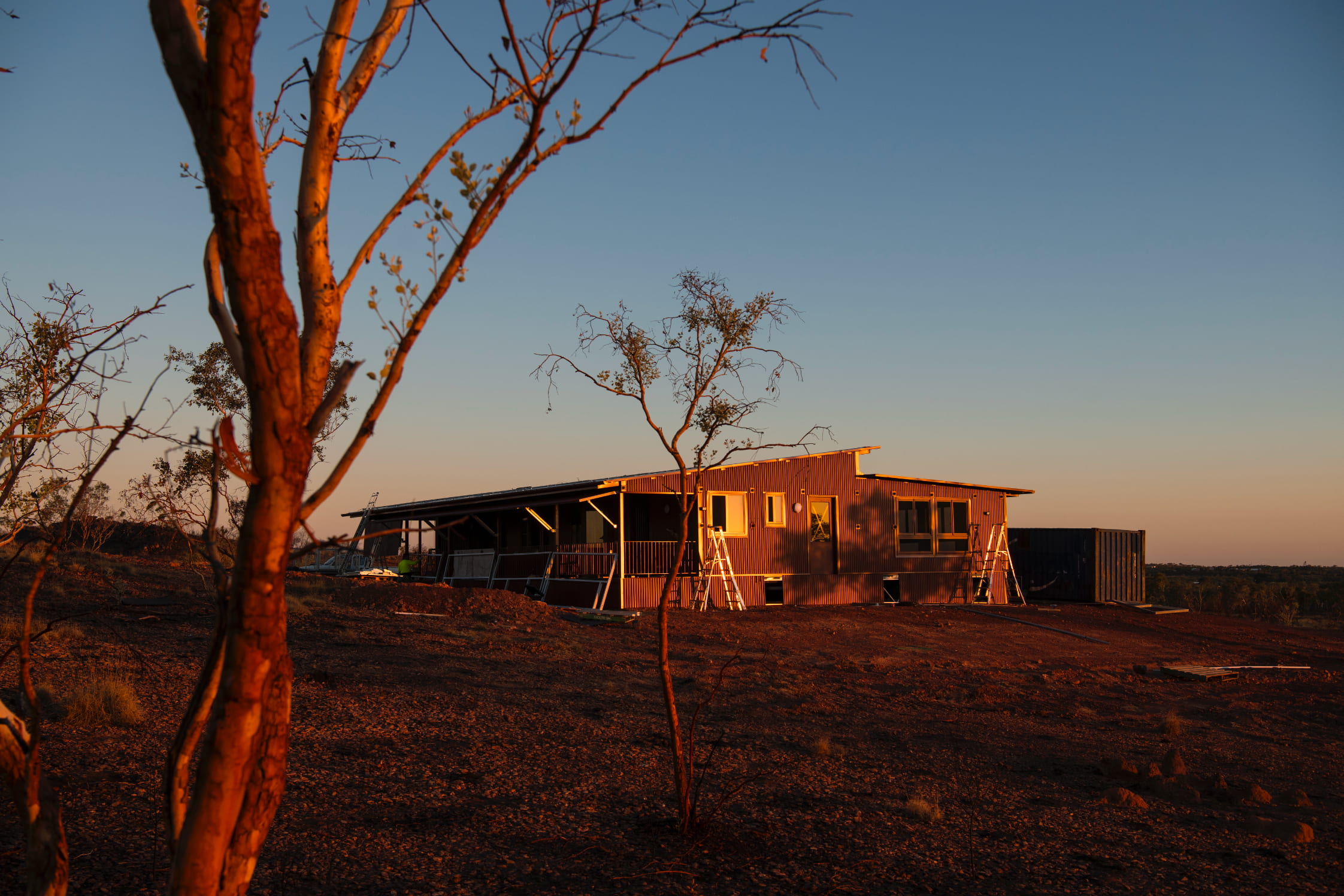
The pastry chef and chocolatier, known for her work across television, cookbooks, brand collaborations and recipe development, has spent almost six years bringing her Yarra Valley property to life. Today, the farm is both her home and an important part of her work, providing a place to create, film, entertain and escape the pace of everyday life.
From the beginning, Kirsten wanted the property to be completely self-sufficient and that philosophy extends well beyond energy.
Throughout the home, she has deliberately chosen materials, products and businesses that reflect her values and for Kirsten, choosing the products that power the home was no different.
“I like to align myself with products when I’m purchasing that match my ethos as a chocolatier.” That is one of the reasons PowerPlus Energy felt like a natural fit.
Choosing Brands That Align With Her Values
Sustainability has always been important to Kirsten, both personally and professionally. As a chocolatier, she deliberately chooses sustainably grown chocolate, and that same consideration carries through to the products she surrounds herself with at home.
When researching battery options, Australian manufacturing was an important part of the decision.
“I like the fact that PowerPlus Energy batteries are made locally, they’re not imported. They’re made here in Australia, and the ethos matches my own 100%.”
For Kirsten, buying Australian-made isn’t simply about where something is manufactured. It’s about knowing more about the product, supporting local businesses and having confidence in the standards behind it.
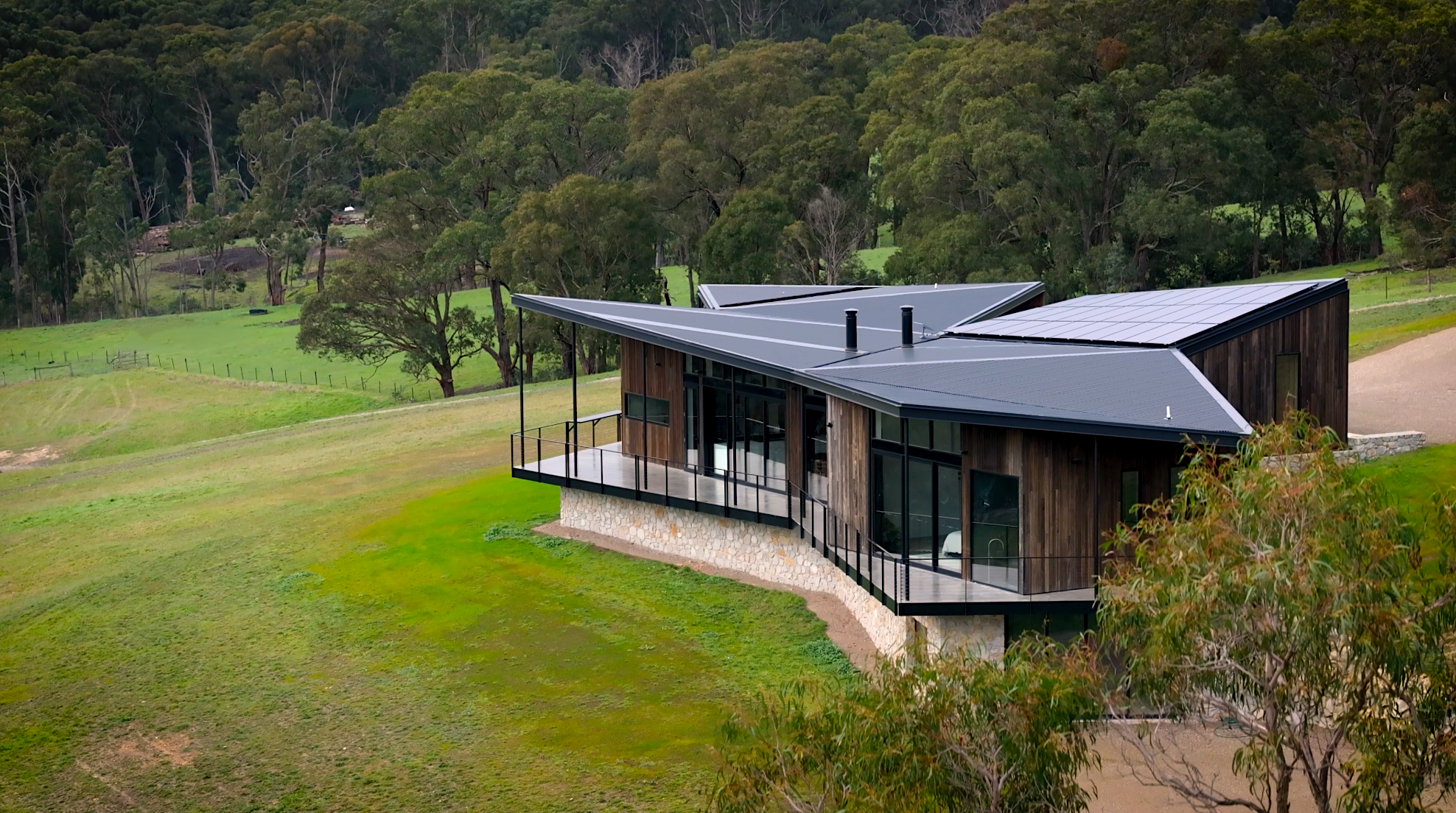
“I think it’s really important to use Australian products where possible.” That thinking is visible throughout the property. The dining table and chairs are made from local Blackwood. Recycled and reclaimed Victorian timber has been used throughout the house and stone from the farm’s own quarry forms part of the building.
A Home Designed To Be Completely Off-Grid
From the earliest stages of designing the property, Kirsten knew she wanted to live independently from the grid.
The decision was partly environmental, but it was also about creating a home that could produce and manage its own energy for years to come. With only two-phase power available in the area, connecting to the grid wasn’t necessarily the solution for a property with such significant energy demands.
Instead, the home was designed around an off-grid solar and battery system.
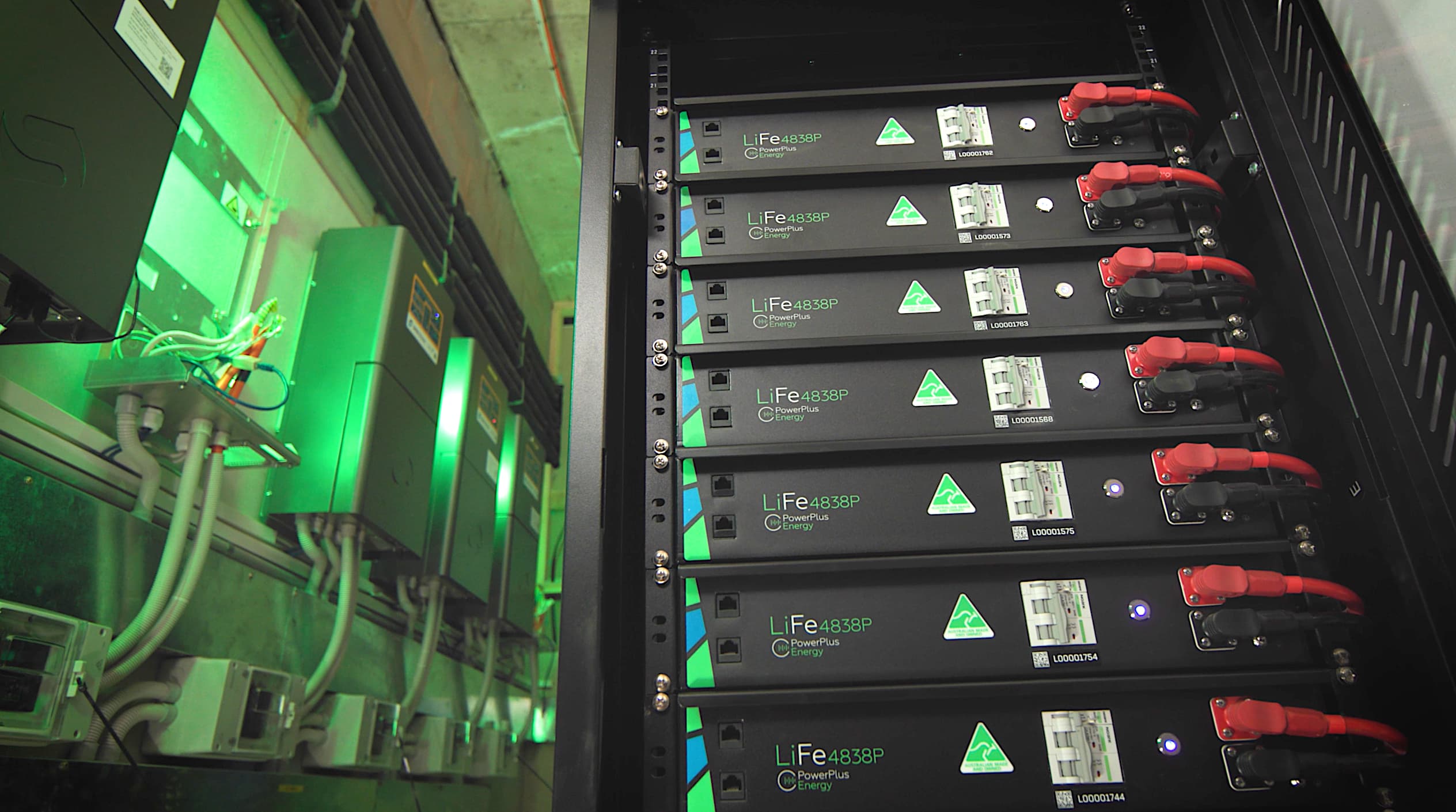
There are 180 solar panels across the property, including panels on the house and a separate solar farm positioned to maximise sunlight. Solar energy is converted through inverters and stored in the PowerPlus Energy battery system for use throughout the home.
“We wanted to build a home that was comfortable, functional and completely self-sufficient.” And that means the system needs to support a lifestyle that is anything but low-energy.
Off-Grid Doesn’t Mean Living Without The Comforts
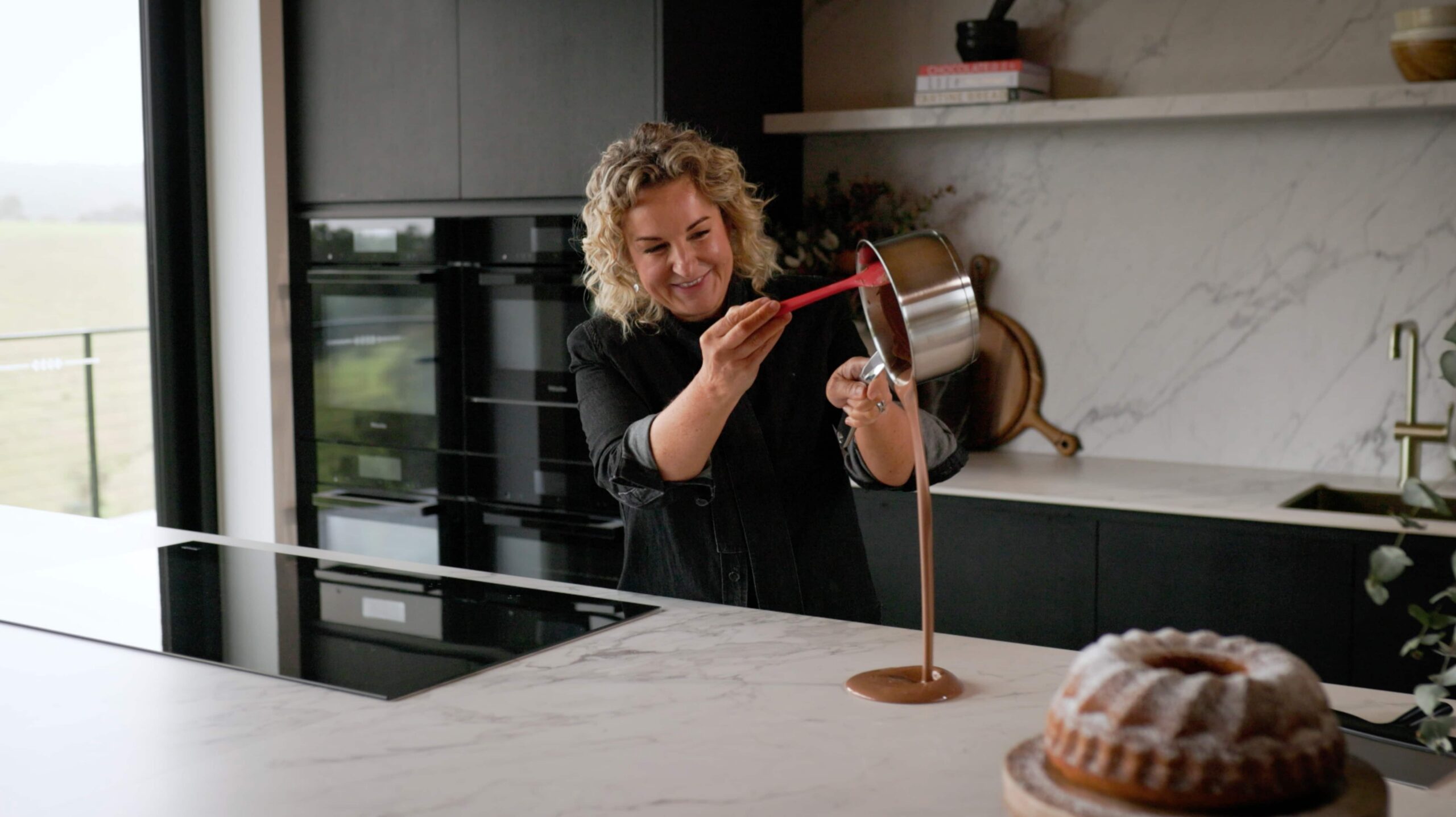
Kirsten’s home has two kitchens, six ovens, two cooktops, refrigeration and freezers, hydronic in-floor heating and all the equipment required for filming and content creation.
She has used all six ovens at the same time. For most households, that would be an unusual level of energy demand. For Kirsten, it’s simply part of everyday life.
Recipe development, filming “The Chocolate Queen”, online content and brand activations all take place from the property. The farm needs to function as both a home and a working creative space, making reliability one of the most important considerations when choosing the system.
“I’ve used all six ovens at the same time and that does pull a little bit of power. So, for me, it’s essential that the oven isn’t going to go out midway through baking a cake or midway through filming when you’ve got a whole crew here watching you.”
Living off-grid does mean being conscious of energy production, particularly through shorter winter days or periods of overcast weather but for Kirsten, that awareness is part of the freedom of being self-sufficient.
She can monitor the system through the app, see how much energy the solar panels are producing, how much is being stored, how much the home is using and most importantly, she isn’t receiving an electricity bill at the end of the month.
The Value Of Local Support
Choosing an Australian-made battery was only part of the equation. For an off-grid property, having people nearby who understand the system and the local environment was equally important.
“Going off-grid was a significant decision, so it was important to work with a team that understood our needs and took the time to design a system that was right for our property.”
The local proximity of PowerPlus Energy gave Kirsten another level of confidence.
“If things did go wrong with Australian products, you’ve got someone that you can easily call up in the same time zone and that can come over to the farm and help.”
For a home that is completely reliant on its own energy system, knowing support is accessible matters.
A System That Can Grow With The Home
The Yarra Valley property is still evolving. The downstairs area of the house is yet to be completed, with plans for another kitchen and further spaces that will add to the home’s energy requirements.
That was one of the benefits of building the system around the way Kirsten intends to live, rather than simply designing it for the house as it exists today.
Recently, the PowerPlus Energy system has been upgraded to 22 Eco4847P, giving the property additional capacity as Kirsten’s home and work continues to grow.
This is another example of the long-term thinking behind the project. The goal was never to create a home that simply looked beautiful or worked for the moment. It was to create somewhere that could evolve with Kirsten’s life while staying true to the values that shaped it from the beginning.
Living By The Values Behind The Home
For Kirsten, the Yarra Valley property represents a particular way of living. It’s about producing her own energy, managing her own water and waste, regenerating the land and choosing products and businesses that reflect what she believes in.
Being off-grid is one part of that bigger picture. For Kristen, it’s about making thoughtful choices that reflect her values, from choosing Australian-made products and recycled materials to supporting local craftspeople, and ultimately, selecting a battery manufacturer that shares that same commitment. “I wanted to create a house that was completely off grid and where possible, I wanted to utilise recycled material.”
After years of planning, building and decision-making, Kirsten now has the home she imagined; a place where she can cook, create, work, entertain and live independently, surrounded by the landscape she wanted to protect and as the property continues to evolve, so does the energy system supporting it.
For Kirsten, that’s the point, creating a home that doesn’t just reflect how she wants to live today, but the values she wants it to represent for generations to come.