

There are some projects that stay with you long after you leave. For the PowerPlus Energy team, Wilya Janta is one of those projects.
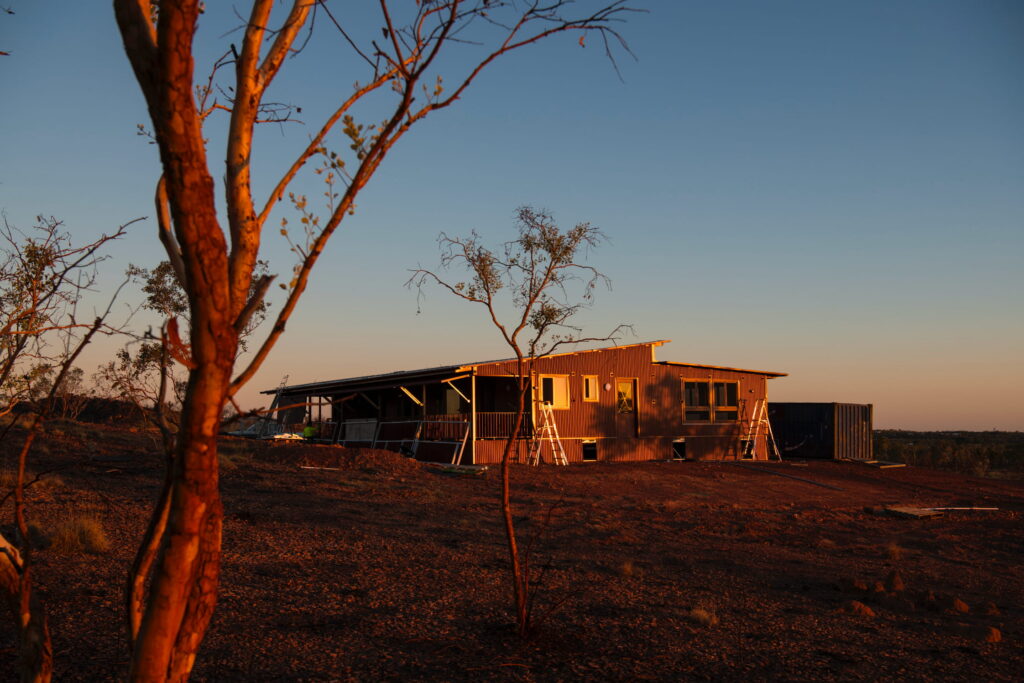
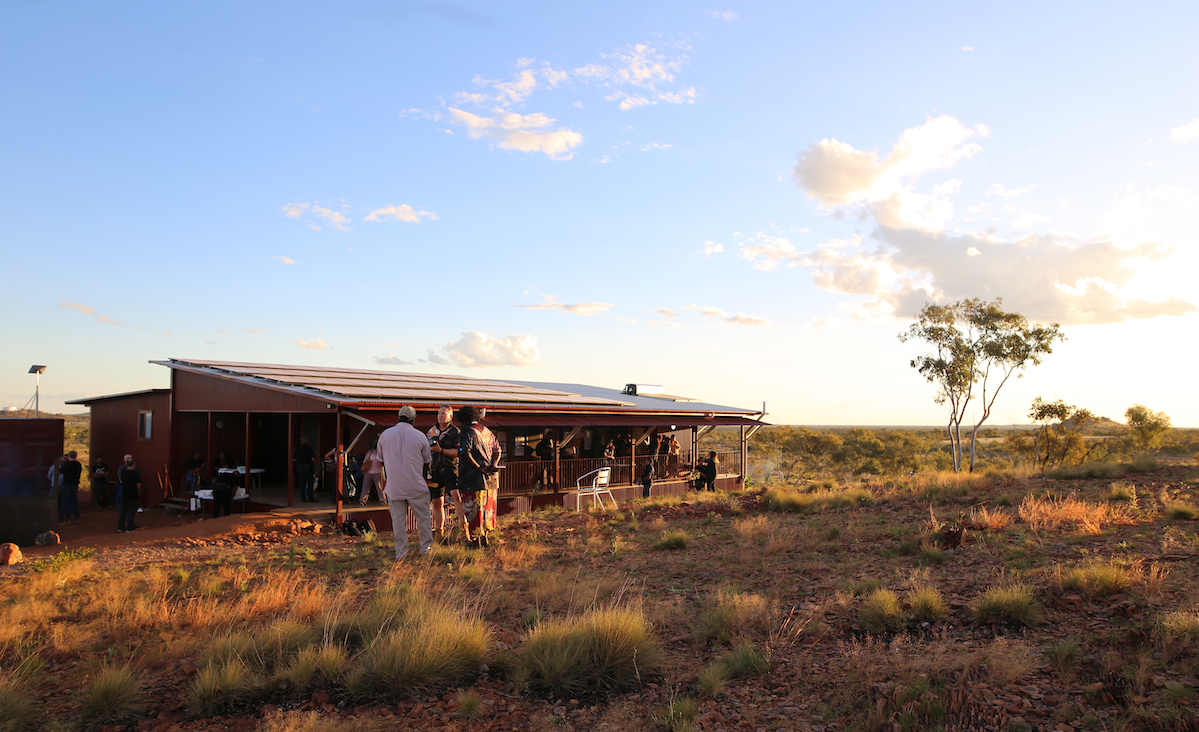
On Warumungu Country outside Tennant Creek, a new kind of home has opened its doors. It is an example of culturally appropriate remote housing, designed to catch the breeze, soften the brutal heat, make space for family and culture, and keep the lights on when it matters most.
But the Wilya Janta Explain Home is not simply a demonstration of solar and battery technology. It is an answer to a much harder question: what happens when remote housing is designed around the people who live in it, rather than asking them to adapt to a house designed somewhere else?
For decades, the answer has too often been poor health, overcrowding, unaffordable energy and homes that fail in the Territory’s extreme climate. Wilya Janta, whose name means “Standing Strong” in Warumungu, began with a different starting point: how do you want to live?
A Home Shaped by Lived Experience
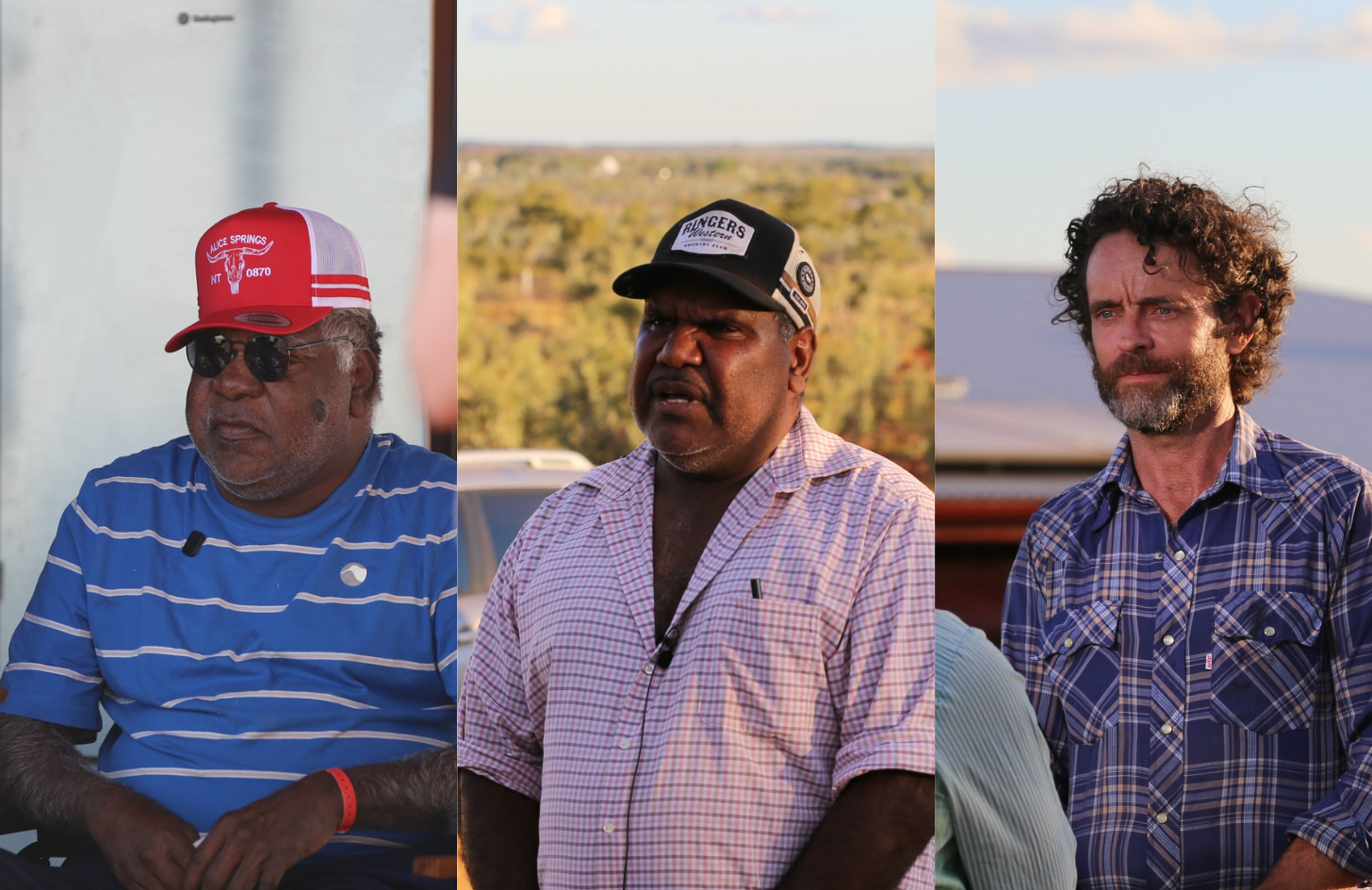
Wilya Janta was founded by Warumungu brothers Norman and Jimmy Jupurrula Frank, senior law men who have spent decades advocating for better outcomes for Wumpurrarni people in the Barkly region. Their experience shaped every part of the Explain Home, from its orientation and layout to its materials and energy system.
Jimmy remembers growing up in houses where the heat became almost unbearable. “That candle ended up melting… that’s how hot those houses were,” he says.
It is a simple image, but a devastating one. In a home where candles melt from indoor heat, comfort is not a luxury, it is a basic measure of whether a house is fit to live in.
That lived reality is what separates the Explain Home from a conventional build. Deep verandas create shaded places for daily life and family gatherings. Bedrooms follow Warumungu sleeping traditions. Separate living areas support different family groups, while multiple bathrooms provide privacy and flexibility. Universal access means Elders and people with disability can remain safely connected to Country.
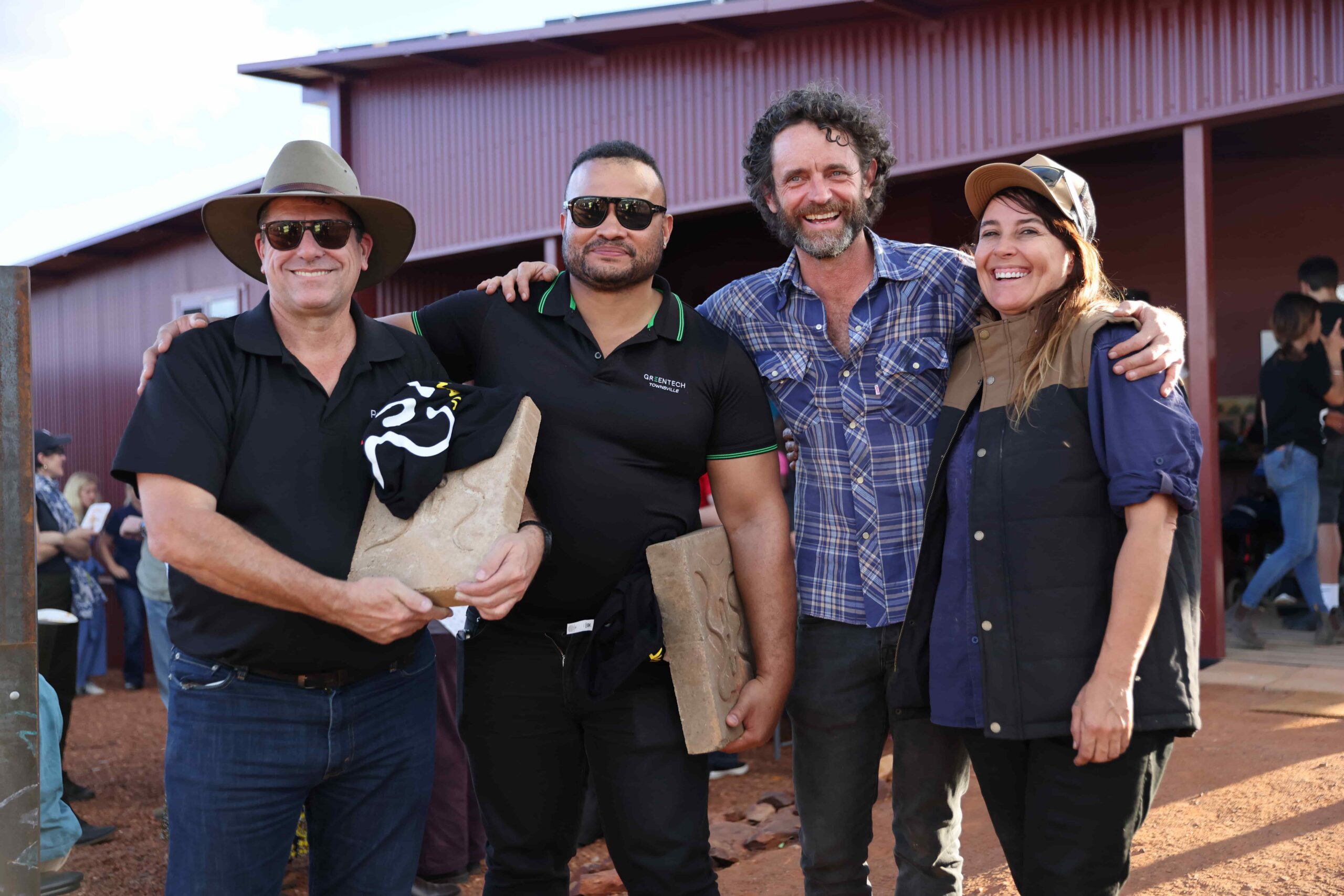
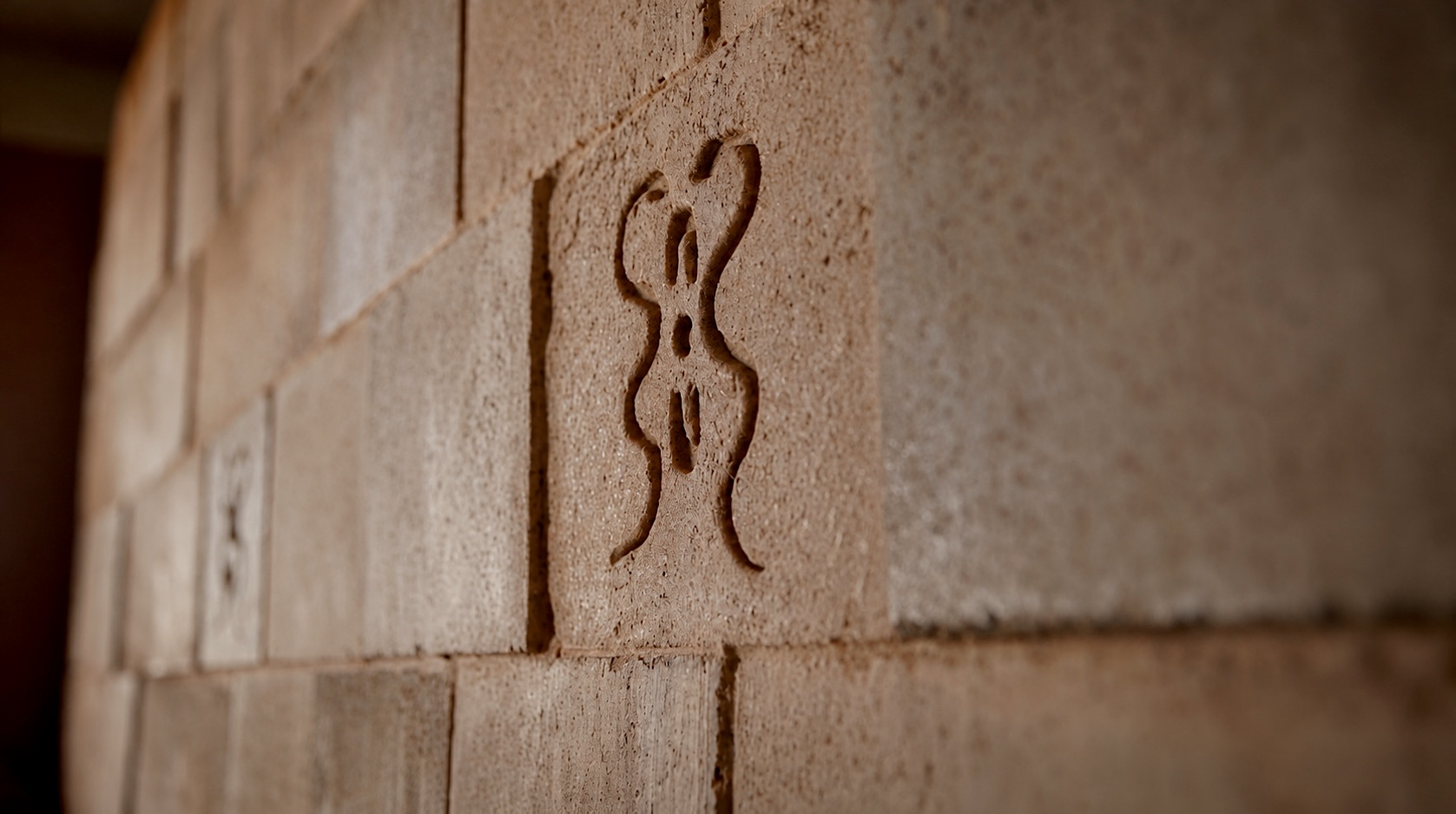
Even the walls carry the story. Local workers helped restore a 1980s brick-making machine and produce nearly 1,000 mudbricks using locally sourced anthill and spinifex material.
For Wilya Janta’s Dr Simon Quilty, the approach is less radical than it may first appear. “When you listen first, you get a completely different result. It’s not radical, it’s just common sense,” he says.
When Heat Becomes a Health Issue
The stakes are not abstract. Wilya Janta and Aboriginal Housing NT’s business case found that 59% of surveyed remote NT homes regularly exceed 40°C indoors. It also found that 33% of hospitalisation costs for Aboriginal and Torres Strait Islander inpatients in the NT are linked to water, sanitation and hygiene, with a further 18% linked to housing condition.
In that context, a home is not just shelter. It is part of the health system.
A house that stays cooler can reduce reliance on air conditioning. A layout that reduces overcrowding can help address conditions linked to poor housing. A home that supports cultural living can strengthen wellbeing in ways a standardised design never can.
Simon believes the problem has often been misunderstood. “For decades, we’ve been building houses in remote communities that don’t work then blaming the people living in them. This flips that,” he says.
Energy Security is Dignity
The Explain Home treats energy as part of the home’s foundation, not an afterthought.
In remote parts of the Northern Territory, unreliable or unaffordable power can affect almost every part of daily life: keeping food and medicine cold, sleeping through extreme heat, studying, communicating and staying safe. Original Power’s Lauren Mellor has described the scale of the problem plainly: people in the NT disconnect, on average, 59 times a year.
“Imagine your house plunging into darkness in 42-degree weather,” Mellor says.
The Explain Home’s renewable energy system was designed to change that experience. It combines a 32kW solar array, 60kWh of battery storage and a 10kW inverter system. But the more important feature is how the system behaves. Smart load management prioritises essential services such as lighting, fans and refrigeration when stored energy is limited, while remote monitoring helps identify issues before they become disruptions.
PowerPlus Energy’s battery storage sits within that wider system, supporting energy independence and long-term resilience in an off-grid environment.
In Tennant Creek, it can mean a fridge keeps running. It can mean a family can cool a bedroom on a 40-degree night. It can mean fewer moments when a household is forced to choose between comfort, safety and cost.
Norman Frank expressed the deeper purpose even more directly. “I think solar power is the medicine that my people need to live strong, healthy lives,” he says.
Culturally Appropriate Remote Housing can be Practical
The Explain Home also challenges the idea that culturally appropriate remote housing must be more expensive or less practical.
Wilya Janta’s business case, developed with Aboriginal Housing NT, found that every $1 invested in community-led, climate-ready remote housing could return between $1.83 and $2.04 in measurable economic benefits.
“Well-designed housing is not just a social investment, it’s an economic one,” Simon says.
The project has also created local capability. Along with the Warumungu workers who helped make the mudbricks, five young people achieved White Card construction accreditation and seven gained Working at Heights accreditation during construction and solar installation.
That matters because the Explain Home is not only proving that a better house can be built and feel connected to its surroundings rather than imposed upon them. It is showing that local people can help build it, maintain it, understand it and shape what comes next.
A Living Test, Not a Finished Answer
The first Explain Home opened in July 2026, but its real work is only beginning. Researchers and partners will monitor its thermal performance, energy use, health impacts, cultural safety and liveability over time. Residents will help define the indicators that matter, from comfort and wellbeing to cultural safety.
That evidence will be critical. If the model proves replicable, it could influence how governments, housing providers and industry partners approach culturally appropriate remote housing across the Northern Territory and beyond.
Jimmy’s ambition is clear. “We want to build more houses like these, all across the Northern Territory,” he says.
Standing Strong
The Explain Home stands on Crow Hill Dreaming, shaped by heat, wind, family, culture and Country. It is a house, but it is also proof that remote housing can be designed differently.
For PowerPlus Energy, being part of the project is a reminder that battery storage is not ultimately about kilowatt-hours. It is about what reliable energy makes possible: a cooler home, a safer night, a working fridge, a child able to study, and a family able to live well on Country.
At PowerPlus Energy, we are proud to have played a part in that story because while the battery may store the energy, it is the people and the community who give that energy its purpose. In Tennant Creek, that purpose is clear: creating homes where people can live healthier, stronger lives, connected to Country and equipped for the future.
Feature Image credit: Andrew Quilty