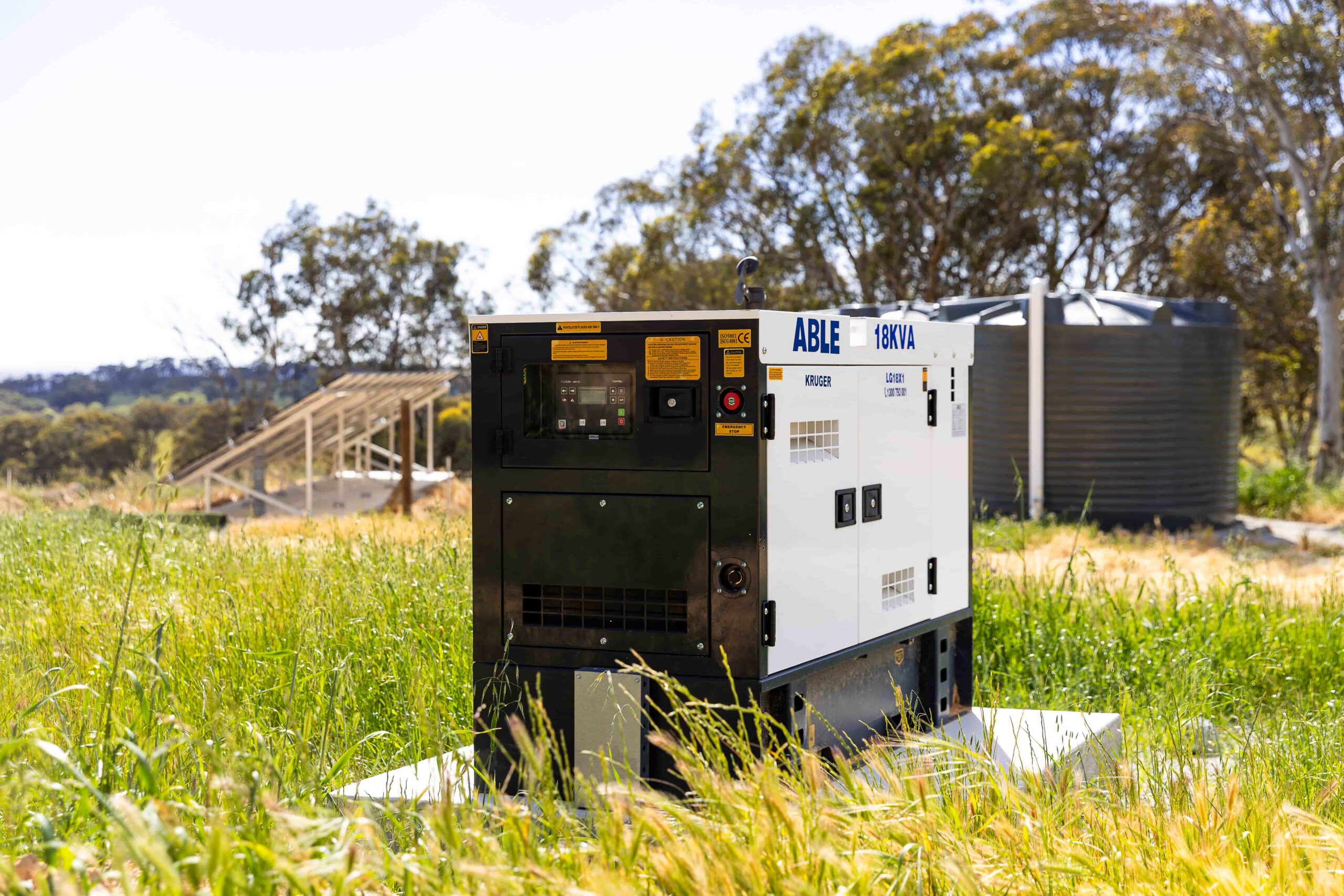


Diesel generators have long been an important source of backup power for Australian businesses. They support critical operations when the grid is unreliable, when sites are remote, or when downtime is simply not an option.
For many organisations, diesel remains essential. It provides long-duration backup, supports high-demand loads and gives businesses confidence that they can continue operating during a power interruption.
However, recent diesel market uncertainty has highlighted a broader challenge. Diesel is not only an operating cost. It is also a business risk.
ABC reporting has warned that, if proposed United States diesel export restrictions proceeded alongside continuing global disruption, Australian diesel prices could potentially rise beyond $4 per litre and supply rationing could become a risk. While this remains a potential scenario rather than a certainty, it reinforces how exposed diesel-reliant businesses can be to global fuel markets.
For businesses that rely on generators, the question is not necessarily how to remove diesel altogether. It is how to reduce dependence on diesel while maintaining reliable power.
The challenges of diesel-only backup power
A diesel generator remains a practical and reliable asset, particularly for extended outages. However, a generator-only strategy can create operational challenges over time.
These may include:
- Rising and unpredictable fuel costs.
- Refuelling logistics, especially for regional and remote sites.
- Generator maintenance, servicing and engine-hour requirements.
- Generator start-up and transfer time during an outage.
- Low-load running, where a generator may operate inefficiently to support a smaller essential load.
- Noise and local emissions during extended operation.
- Dependence on fuel availability during a wider disruption.
For businesses where refrigeration, pumps, production systems, communications or safety equipment must remain operational, a generator is still important. The challenge is ensuring it is used for the role it performs best.
How battery energy storage can support diesel generators
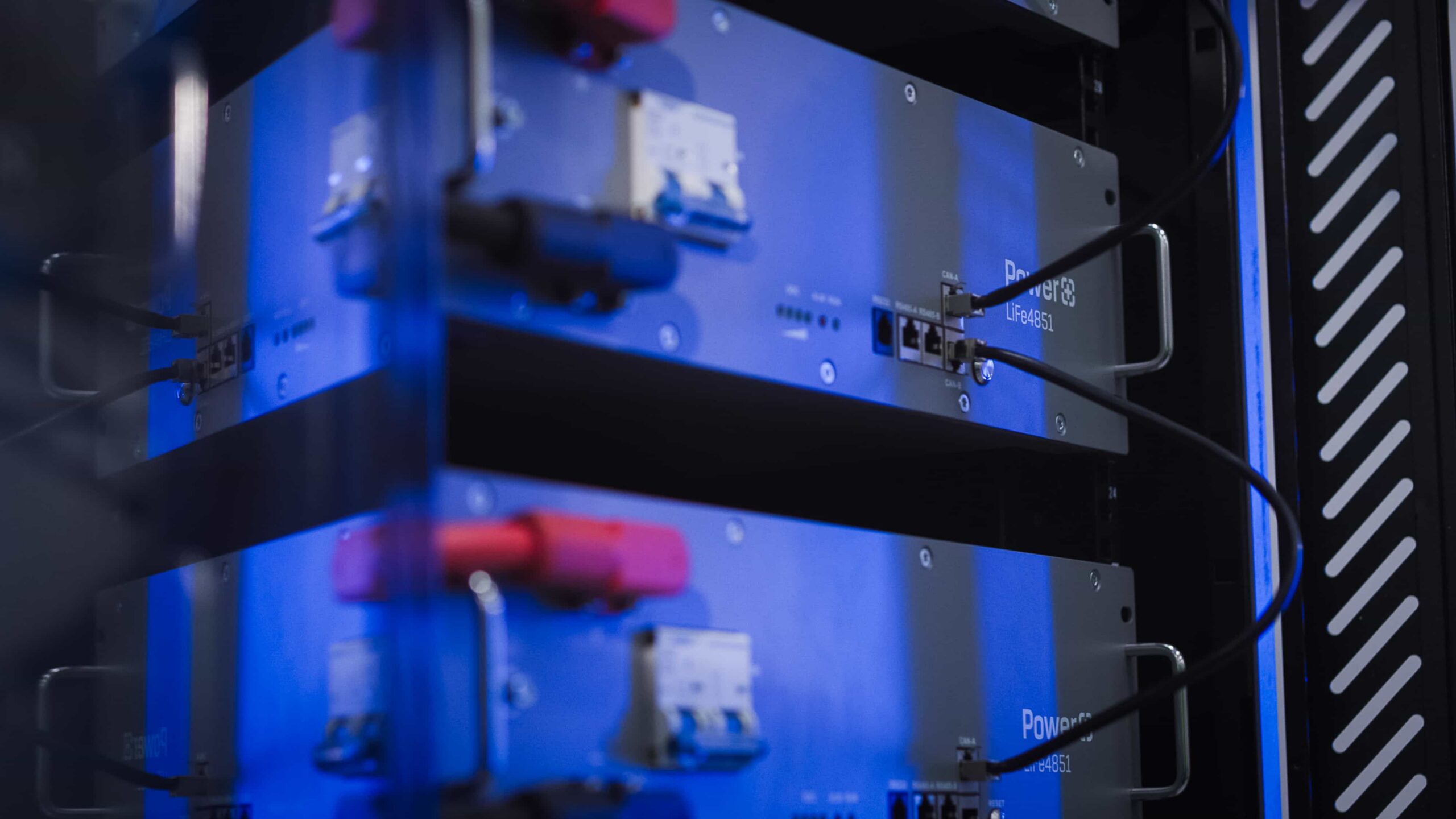
A commercial battery energy storage system (BESS) can work alongside an existing diesel generator, supporting critical loads during short interruptions and generator transition periods while the generator remains available for longer outages, high-demand events or situations that require extended backup.
This creates a more balanced approach to energy resilience.
Depending on site design and load profile, energy storage can help businesses:
- Reduce unnecessary generator runtime.
- Avoid operating a generator through low-load periods.
- Lower fuelling costs.
- Reduce reliance on frequent refuelling.
- Use more onsite solar energy.
The right outcome depends on the site. A battery system should always be designed around the load profile, generator arrangement, backup requirements and future energy plans.
A practical approach to energy resilience
Energy storage is not a one-size-fits-all product. It is a planned electrical upgrade that should start with an understanding of the operation.
Before selecting a commercial BESS, businesses should consider:
- Which loads cannot stop during an outage?
- How frequently does the generator run?
- What does downtime cost the operation?
- How much diesel does the site consume each year?
- Does the site have solar, or plans to install it?
- Are there upcoming switchboard upgrades, site expansions or new equipment?
- How long does the site need to operate during an interruption?
This information helps determine whether battery storage can provide value through improved continuity, reduced generator use, greater solar utilisation or a combination of these outcomes.
Improving Generator Efficiency with Energy Storage
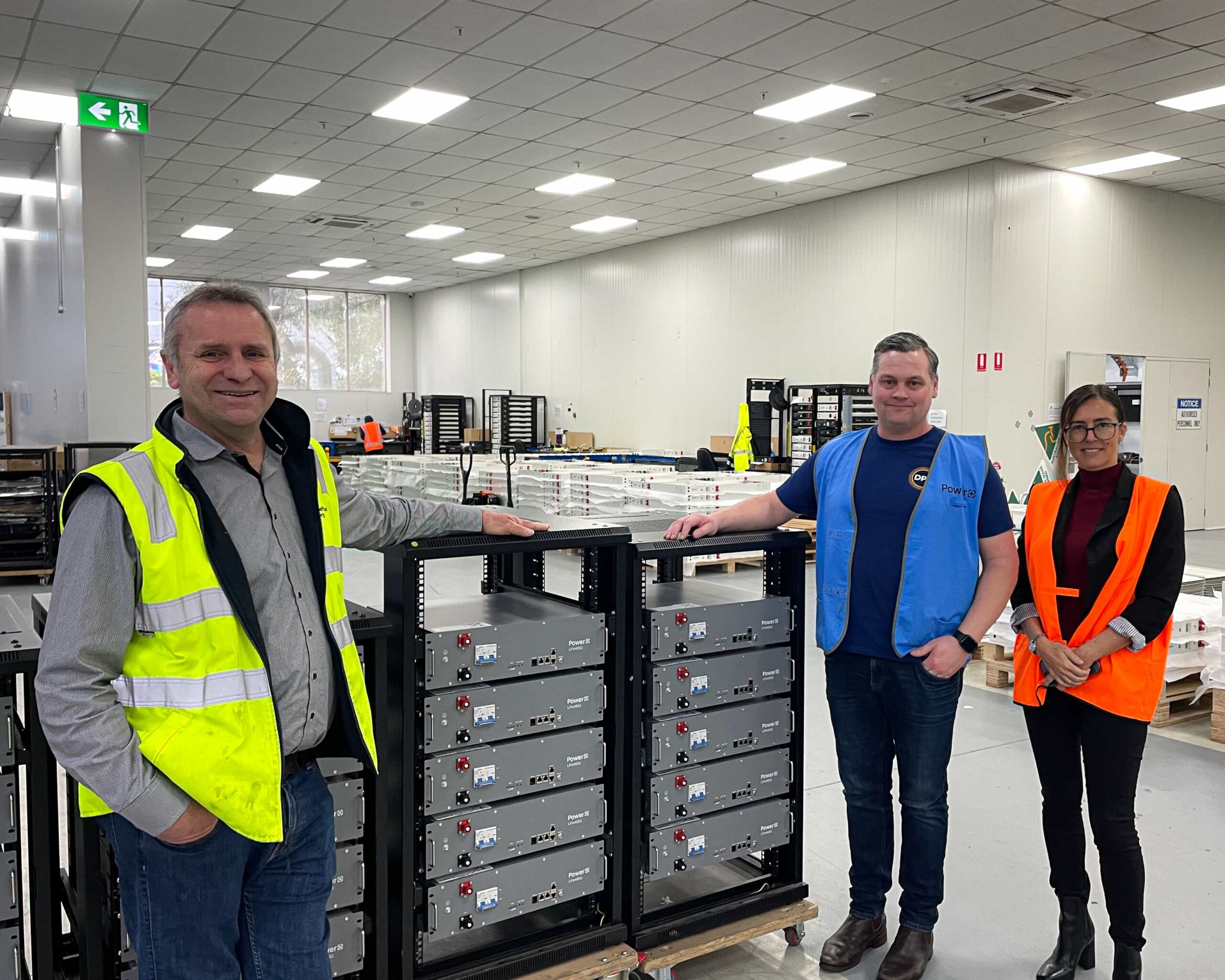
PowerPlus Energy’s Escape20 and Escape215-R are battery energy storage solutions that can work alongside existing generation to help businesses better manage changing loads and improve generator efficiency.
By absorbing fluctuations in demand and supplying stored energy when needed, battery storage helps diesel generators operate closer to their optimal loading range, reducing inefficient operation and lowering fuel consumption and run time.
For businesses reviewing backup power, the goal is not simply to install a battery. It is to build an energy system that is reliable, practical and equipped to bring ongoing financial and operating value.
Discover commercial energy storage solutions
PowerPlus Energy designs and manufactures commercial battery energy storage solutions for Australian conditions. Our team works with customers, electrical contractors and project partners to understand site requirements and develop practical systems for on-grid, off-grid and hybrid applications.
Discover PowerPlus Energy’s commercial energy storage solutions and explore how a BESS can support your site’s resilience, critical loads and future energy needs. Contact us to set up a meeting to discuss your site’s suitability for an energy storage system.