

In 2020, a rooftop solar installation at Norman Frank’s home in Tennant Creek did more than generate electricity. It helped prove that a household living with prepaid power could take greater control of its energy use, reduce repeated disconnections and build a path towards energy security.
That trial became an important stepping stone towards Wilya Janta’s Explain Home. But its lessons reach far beyond one house. They point to a bigger question: why do so many remote NT households still face energy insecurity in one of the sunniest places in the world?
This article looks at the barriers, the breakthrough and the practical energy model now being tested at the Explain Home.
For the broader story of how the Explain Home was designed around culture, climate and community, read our first article: More Than A House: Inside Wilya Janta’s Explain Home.
When Losing Power Is More Than an Inconvenience
Across the Northern Territory, many households access electricity through prepaid systems. Instead of receiving a quarterly bill, people pay for power in advance. When the credit on a meter runs out, the supply stops.
That can affect almost every part of daily life. Food and medicine may no longer be safely refrigerated. Cooling becomes unavailable during extreme heat. Communication, study and access to emergency information can all become harder.
Original Power’s Lauren Mellor has described the scale of the issue plainly. People in the NT disconnect from power, on average, 59 times a year.
“Imagine your house plunging into darkness in 42-degree weather for weeks at a time,” she says.
For households already managing high living costs, prepaid power can create a cycle of stress. If credit runs out at the wrong time, especially on a weekend, restoring supply may not be simple.
Rick from PowerPlus Energy saw the impact of that reality during his visit to Tennant Creek.
“If you run out on Friday night, you’ve got no power for the entire weekend in a hot home with no air conditioning, no comforts,” he says.
Energy insecurity is often discussed as a technical or billing issue. For the people living through it, it is much more personal. It affects health, safety, comfort and the ability to live well on Country.
A Trial That Changed the Conversation
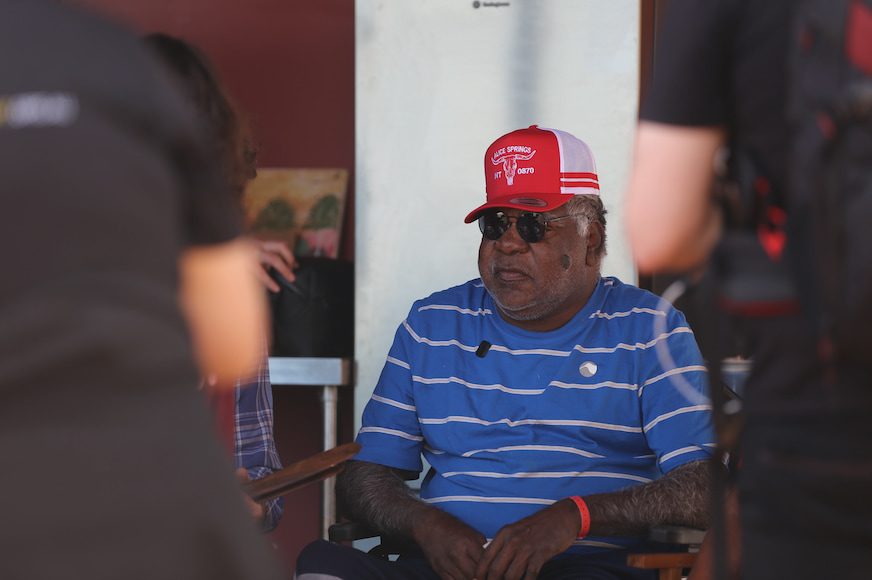
In 2020, Original Power partnered with the Frank family after research into the barriers facing Aboriginal households using prepaid electricity meters.
At the time, technical and regulatory barriers prevented many prepaid-meter customers from accessing the benefits of rooftop solar. The trial set out to test whether the two could work together.
The result was significant. Rooftop solar was successfully integrated into Norman Frank’s public housing home, making it the first Indigenous public housing dwelling in the Northern Territory to benefit from rooftop solar under the trial.
The impact was immediate.
Norman’s household had previously experienced an average of 24 power disconnections a year. After solar was installed, that number fell to none.
That outcome mattered because it turned a policy discussion into lived evidence. It showed that a household exposed to repeated disconnections could gain greater stability when given access to its own renewable generation.
Norman later described the deeper meaning of that change.
“I think solar power is the medicine that my people need to live strong, healthy lives,” he says.
The trial also helped strengthen the relationships between the Frank family, Original Power and the architects at Troppo. Those conversations contributed to the development of Wilya Janta and, eventually, the Explain Home.
The Barrier Was Never Just the Hardware
Solar panels work in Tennant Creek. The region receives abundant sunshine, and the technology to convert that sunlight into usable household power is well established.
The challenge has been whether the systems around that technology allow people to benefit from it.
For households on prepaid electricity, barriers can sit in metering arrangements, billing processes, regulatory settings and the way housing and energy services are delivered. These are not always visible from outside the system, but they can determine whether a family can access solar at all.
Lauren believes the issue requires more than technology alone.
“First Nations people in Australia are some of the last to benefit, with structural barriers to accessing clean and affordable energy still embedded in state and territory policies,” she says.
The lesson from the 2020 trial is that solving energy insecurity requires practical innovation, but it also requires policy and market settings that allow proven solutions to reach the households that need them most.
Designing Energy Into the Home
The Explain Home took the learning from Norman’s rooftop trial and applied it at a household scale.
Rather than adding solar and storage after the home was designed, energy was considered alongside culture, climate, health, family life and construction from the beginning.
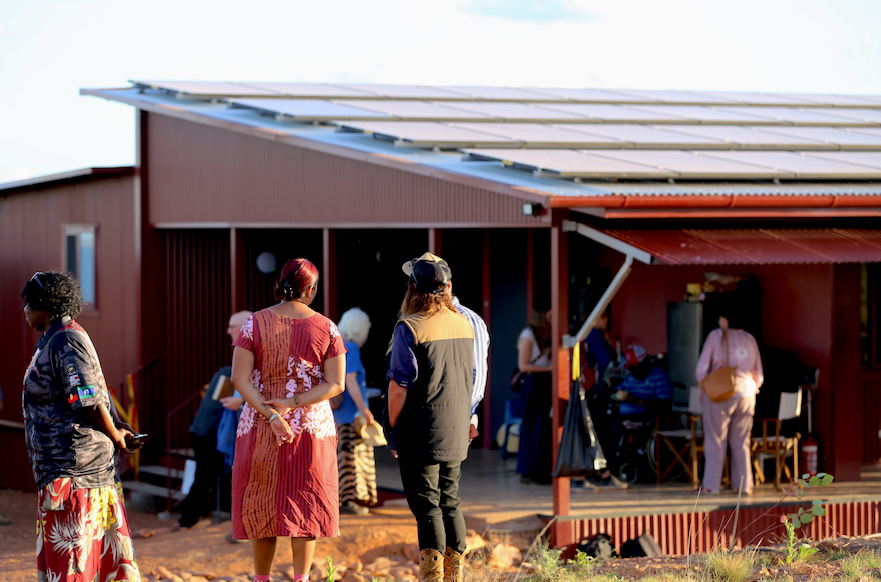
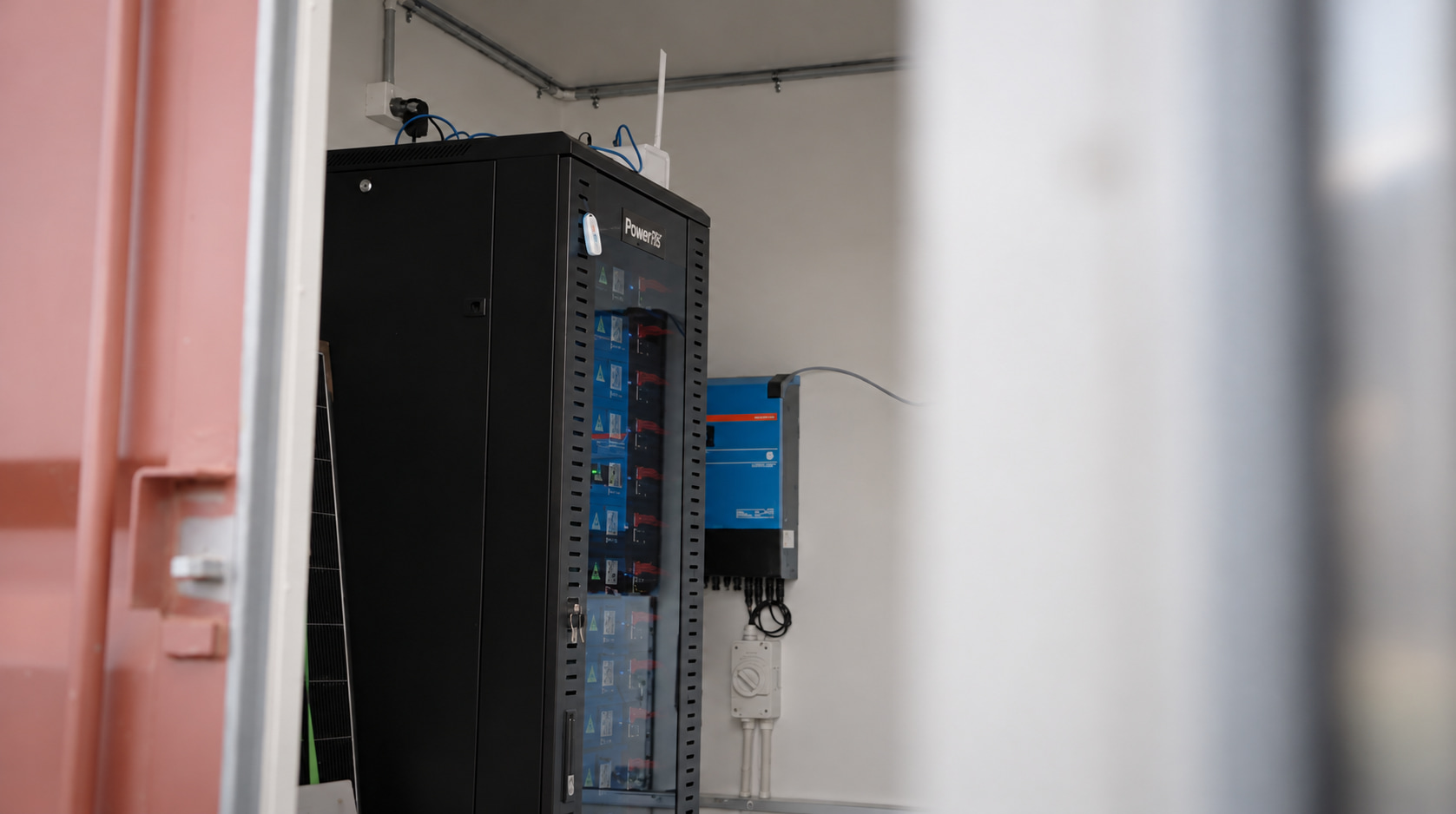
The system includes a 32kW solar array, 60kWh of battery storage and a 10kW inverter system. But the most important feature is not the size of the system. It is the way the system is designed to support everyday life.
In an off-grid environment, energy management matters as much as generation. Smart load management helps prioritise essential services when stored energy is limited. Lighting, fans and refrigeration can remain protected for longer, while non-essential loads can be managed to preserve battery capacity.
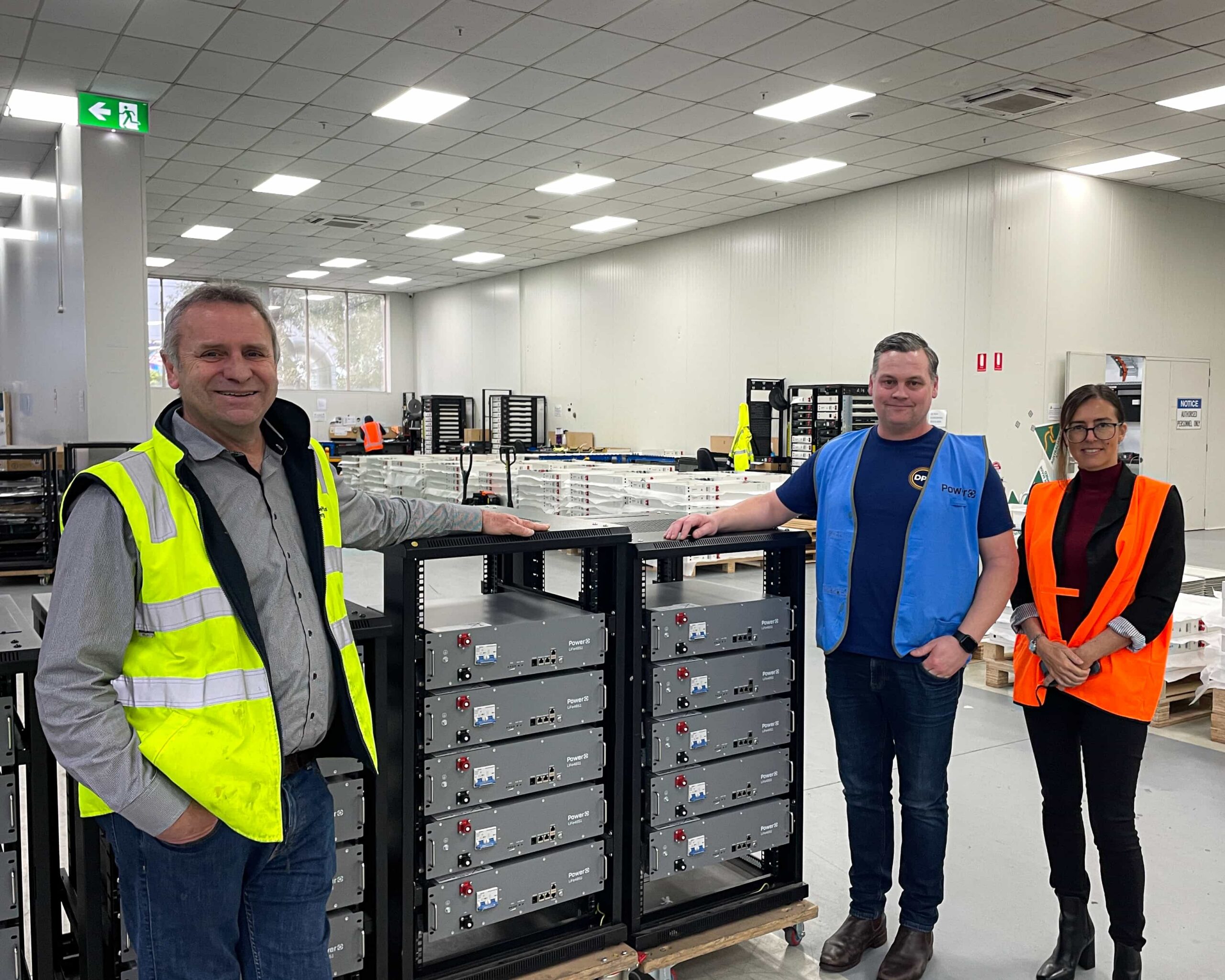
Remote monitoring also supports reliability. Victron equipment, supported by a Starlink connection, allows energy use and battery state of charge to be monitored. That makes it easier to identify issues early, understand how the system is performing and reduce the time and cost of maintenance in a location far from many technical partners.
For PowerPlus Energy, the project demonstrates why battery storage needs to be designed around real household needs.
Why Storage Matters in Remote Communities
Solar generation is strongest during the day, but household needs do not stop at sunset. Cooling, refrigeration, lighting, cooking, communications and medical equipment may all be needed after the sun goes down.
Battery storage helps bridge that gap. It allows solar energy captured during the day to be available when it is needed most.
In remote areas, it can also reduce reliance on expensive or constrained grid connections. Rick points out that connecting remote locations to the grid can cost tens of thousands of dollars per power pole.
“To be able to bring a system like this on site and provide the comforts that we in metro areas take for granted, to provide that energy independence for them is an amazing concept,” he says.
The goal is not simply to install equipment. It is to create a system that is reliable, maintainable and suited to the realities of remote living.
That is where the Explain Home offers a useful model via the new proposed model for remote housing the ‘Right Way Housing Guidelines’. It brings together solar generation, battery storage, intelligent load management and remote monitoring in a way that supports both daily comfort and long-term system performance.
From One Home to a Scalable Solution
The Explain Home is now a living demonstration. Researchers and project partners are monitoring its energy performance, environmental outcomes, health impacts and cultural safety over time.
That evidence will be important. Remote housing has often been delivered without enough long-term evaluation to understand what works, what does not and why.
Wilya Janta, Original Power and their partners are taking a broader view of success. They are looking beyond installation and technical performance to understand how a home supports the people living in it, how it responds to climate and whether the approach can be replicated.
The ambition is not to create a one-off demonstration. It is to show that community-led, climate-ready and energy-secure housing can become a practical model for more homes across the Barkly region and the wider Northern Territory.
Lauren is clear about what needs to happen next.
“We need targeted support to see solutions like what’s been rolled out here with Wilya Janta scaled up,” she says.
“We need to see legacy housing that is still reliant on precarious prepayment metering have access to rooftop solar.”
A New Way Forward
The journey from Norman Frank’s rooftop to the Explain Home shows what can happen when communities, energy advocates, designers and industry partners work together.
It shows that energy insecurity is not inevitable. With the right policy settings, practical technology and community-led design, remote households can have greater control over their power, lower exposure to disconnection and a stronger foundation for health and wellbeing.
Solar captures the energy. Storage helps make it available when it is needed. But it is people, community knowledge and the right systems that turn that energy into something meaningful.